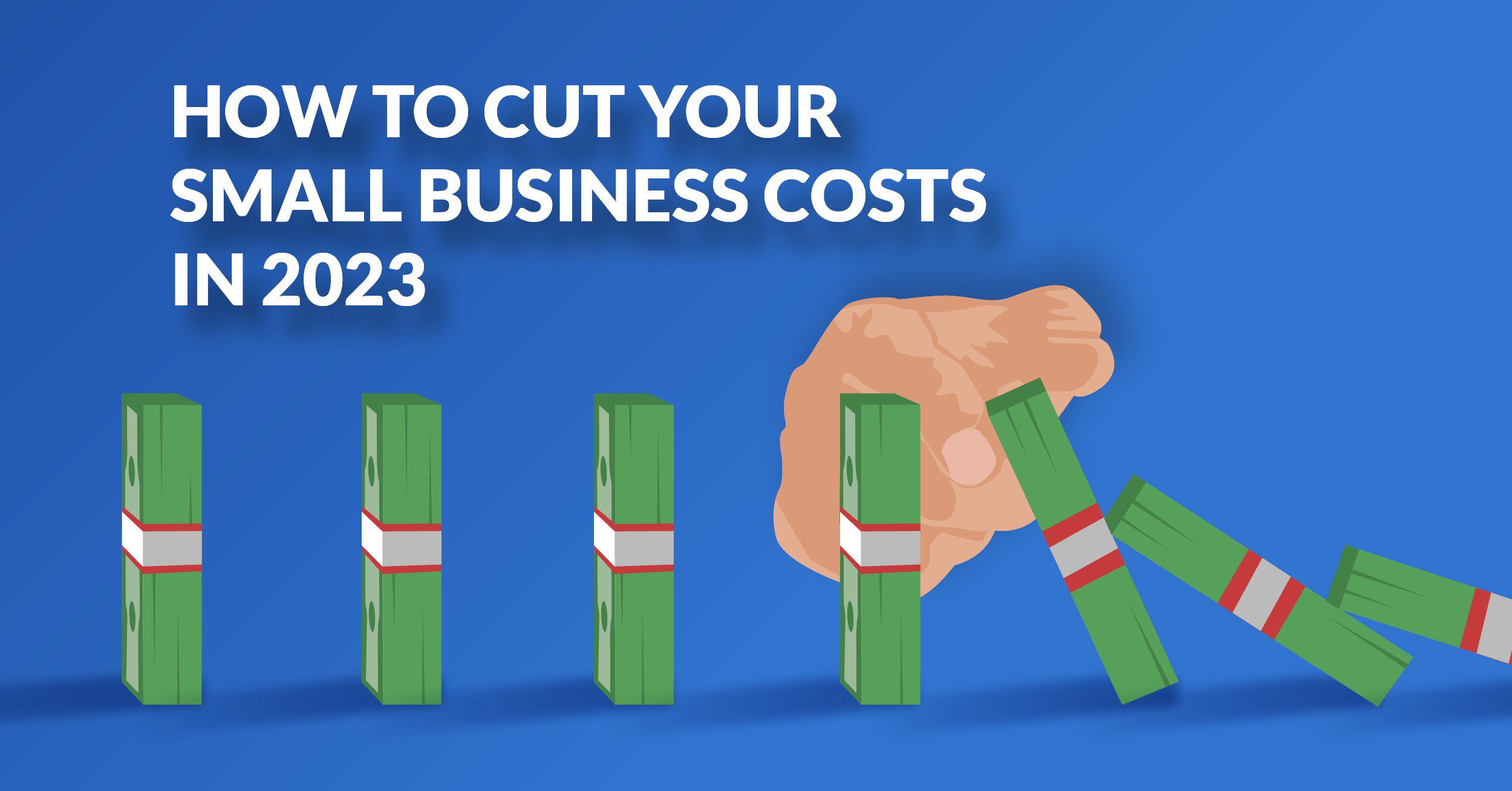
As a small business owner, managing costs is essential for maintaining profitability and sustaining growth. In 2023, economic uncertainties and market fluctuations make it even more crucial to find ways to cut expenses without compromising the quality of your products or services. In this article, we will explore ten effective strategies to help you reduce your small business costs without sacrificing efficiency or customer satisfaction.
Conduct a Comprehensive Expense Analysis
Start by conducting a thorough review of your company’s expenses. Identify all fixed and variable costs, including rent, utilities, payroll, supplies, and software subscriptions. Categorize expenses and prioritize areas that offer the most significant potential for savings.
Negotiate with Suppliers
Reach out to your suppliers and negotiate better deals or discounts on bulk purchases. Strong vendor relationships can lead to cost savings and improved payment terms. Consider seeking multiple quotes to ensure you are getting the best value for your money.
Embrace Technology
Investing in the right technology can streamline operations and reduce long-term costs. Consider cloud-based solutions, which often offer more flexibility and scalability while eliminating the need for extensive hardware and maintenance expenses.
Telecommuting and Remote Work
With the rise of remote work and virtual teams, consider allowing employees to telecommute. This approach can save on office space costs, utilities, and commuting allowances. Ensure that proper communication and collaboration tools are in place to maintain productivity.
Outsource Non-Core Functions
Outsourcing non-core functions, such as accounting, IT support, or customer service, can be a cost-effective way to access specialized expertise without the burden of maintaining full-time staff and related overhead costs.
Energy-Efficient Practices
Implement energy-saving measures within your workplace, such as LED lighting, smart thermostats, and energy-efficient appliances. Encourage your employees to adopt eco-friendly practices to reduce utility bills and contribute to sustainability efforts.
Implement a Waste Reduction Plan: Analyze your waste disposal processes and look for ways to minimize waste generation and associated costs. Recycling programs and smart inventory management can help prevent overstocking and reduce unnecessary expenses.
Optimize Marketing Efforts
Review your marketing strategies and focus on cost-effective methods like social media, email campaigns, and content marketing. Leverage the power of online platforms to reach a broader audience without the high costs of traditional advertising.
Cross-Train Employees
Encourage cross-training among your employees to ensure that they can handle multiple tasks. This not only improves flexibility but also reduces the need to hire specialized staff, saving on recruitment and training expenses.
Monitor and Measure Results
Consistently monitor the effectiveness of the cost-cutting strategies you implement. Track the results and make adjustments as needed to maximize savings while maintaining operational efficiency.
Cutting small business costs in 2023 requires a strategic approach that balances expense reduction with maintaining high-quality products or services. By conducting a comprehensive expense analysis, negotiating with suppliers, embracing technology, and implementing other cost-saving measures, your small business can navigate economic challenges while staying competitive and financially sound. Regularly review and adjust your cost-cutting strategies to ensure continued success in the ever-changing business landscape.