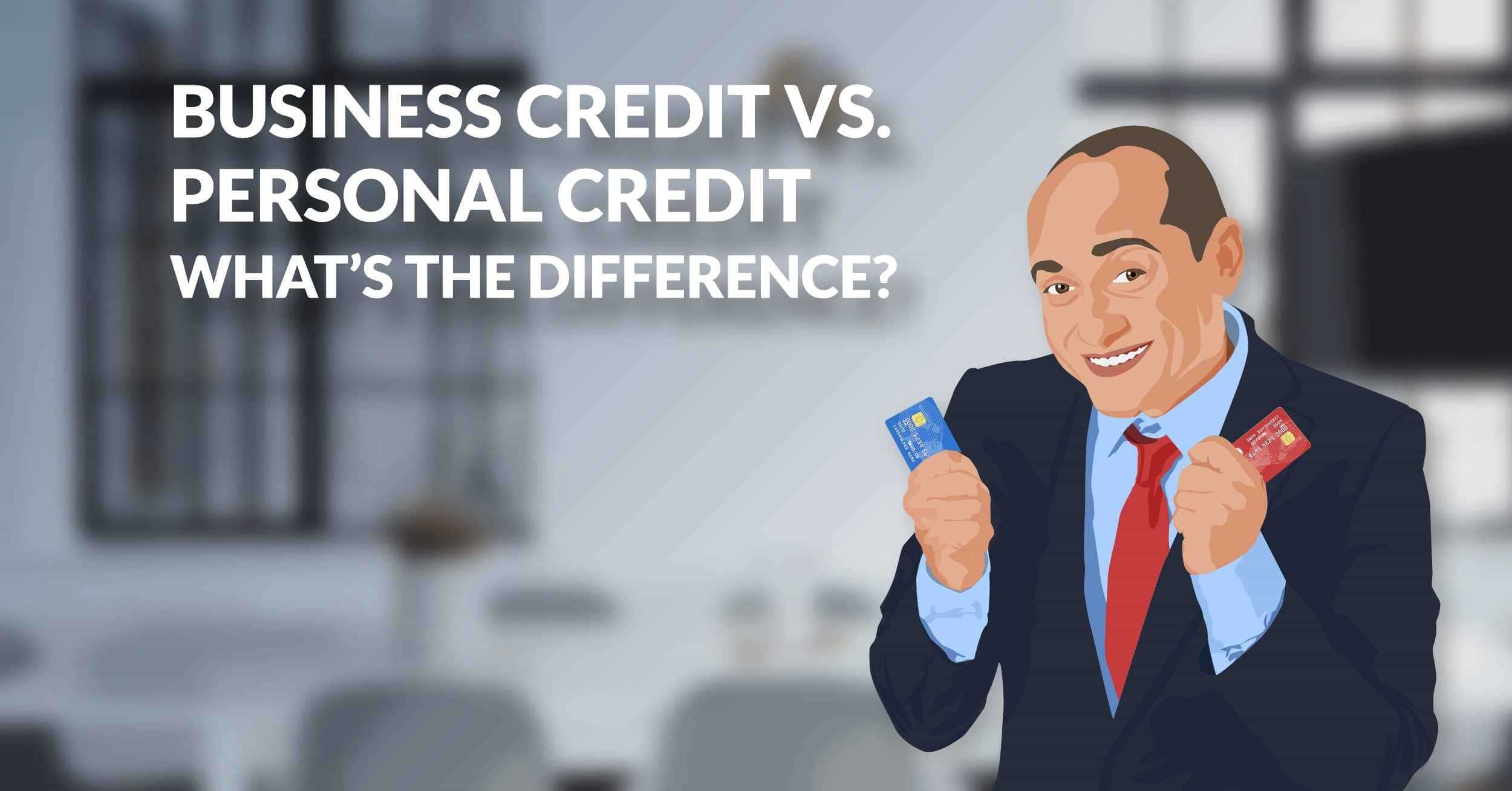
The confusion between business and personal credit is a common issue among business owners, but it’s crucial to understand their differences. Mixing the two can have negative effects on your business and personal finances. In this article, we will delve into the differences between business and personal credit, as well as how they might affect each other and the importance of keeping them separate.
What is Business Credit?
Business credit is a financial evaluation of a company’s creditworthiness and its ability to repay debts. It involves establishing a credit profile for the business entity itself, separate from its owners. This credit profile considers factors such as payment history, outstanding debts, and public records related to the business. Maintaining good business credit is crucial for securing financing, negotiating favorable terms with suppliers, and demonstrating financial stability to potential partners and investors.
What is Personal Credit?
Personal credit refers to an individual’s creditworthiness and financial history. It reflects how responsible they are in managing personal debts and repaying financing. Personal credit is assessed based on factors such as credit card usage, financing repayments, and any public records associated with the individual, such as bankruptcies or foreclosures. A strong personal credit profile enables individuals to access personal loans, credit cards, mortgages, and other forms of personal financing.
Personal Credit vs. Business Credit
While business credit and personal credit share some similarities, they differ significantly in terms of:
- Credit Reporting Policies: Business credit is reported by specialized business credit bureaus, such as Dun & Bradstreet, Experian Business, and Equifax Small Business. These bureaus collect data from creditors, suppliers, and other relevant sources to generate a comprehensive business credit report. Personal credit, on the other hand, is reported by consumer credit bureaus like Experian, TransUnion, and Equifax, which gather information from funders, credit card companies, and other financial institutions.
- Credit Limits: Business credit typically offers higher credit limits compared to personal credit. This is because businesses often require larger funds to support their operations, invest in inventory, and facilitate growth. Personal credit limits, on the other hand, are usually determined based on an individual’s income, credit history, and other personal factors.
- Consumer Protections: Consumer protection laws offer stronger safeguards for personal transactions, providing individuals with recourse in case of fraudulent or unauthorized charges. Business credit transactions, however, generally have fewer legal protections. This means that personal credit offers greater security and peace of mind in personal financial transactions.
Why Should I Separate Business Credit from Personal ?
Separating business credit from personal is crucial for several reasons:
- Legal Protection: Keeping business and personal credit separate establishes the business as a distinct legal entity, shielding personal assets from business liabilities. This separation is particularly important for sole proprietors and partnerships, as it helps avoid personal financial ruin in the event of business-related issues or lawsuits.
- Funding Opportunities: Building a strong business credit profile enhances your chances of obtaining business financing, lines of credit, and other forms of funding. Funders often evaluate business credit to assess the business’s ability to manage debt and repay financing. By separating your personal credit from your business credit, you can showcase your business’s financial strength and increase your chances of securing funding for growth and expansion.
- Vendor Relationships: Establishing good business credit facilitates positive relationships with suppliers and vendors. A solid business credit history demonstrates your business’s reliability in paying bills on time, which can lead to improved credit terms, higher credit limits, discounts, and better cash flow management.
Does Business Credit Affect Personal Credit?
In general, business credit does not have a direct impact on personal credit. However, some funders may consider the personal credit of small business owners when evaluating financing applications. They may take personal credit into account if the business lacks an extensive credit history or if the business owner provides a personal guarantee for the business financing.
Does Personal Credit Affect Business Credit?
Similarly, personal credit typically does not directly influence business credit. However, if you personally guarantee business financing or use personal credit cards for business expenses, your personal credit can indirectly affect your business credit. Failure to manage personal debts and maintain a good history can lead to financial difficulties that may spill over into your business operations.
Can You Build Business Credit If You Have Bad Personal Credit?
It is possible to build business credit even if you have a less-than-perfect personal credit history. While it may impact your ability to secure certain types of business financing, there are alternative options available. Building strong business credit requires establishing a separate credit profile for your business, making timely payments to vendors and creditors, and maintaining a positive credit history over time. By focusing on your business’s creditworthiness, you can improve your business credit standing, regardless of your personal credit situation.
The REIL Advantage
At Reil Capital, we are committed to empowering business owners with the tools and resources they need to build strong business credit and increase their credit scores. With our range of financial products, we offer comprehensive solutions that cater to the unique needs of each of our clients. Reil Capital will never appear on your credit report, as we do not do any hard pulls, ensuring there are no obstacles in the way of building credit. This allows business owners to focus on their financial growth without the fear of negative impacts on their credit profiles. With Reil Capital as your trusted partner, you can confidently pave the way for a prosperous business future.
Conclusion
Distinguishing between business credit and personal credit is crucial for business owners seeking financial success. By understanding their unique characteristics and implications, you can safeguard your personal assets, secure funding for your business, and foster strong relationships with suppliers. It is important to remember that both have different reporting policies, credit limits, rewards, and consumer protections. Maintaining a clear separation between these credit profiles provides legal protection, opens doors to financial opportunities, and promotes financial stability. By managing both credit profiles diligently, you can confidently steer your business toward growth and success, making informed financial decisions along the way.