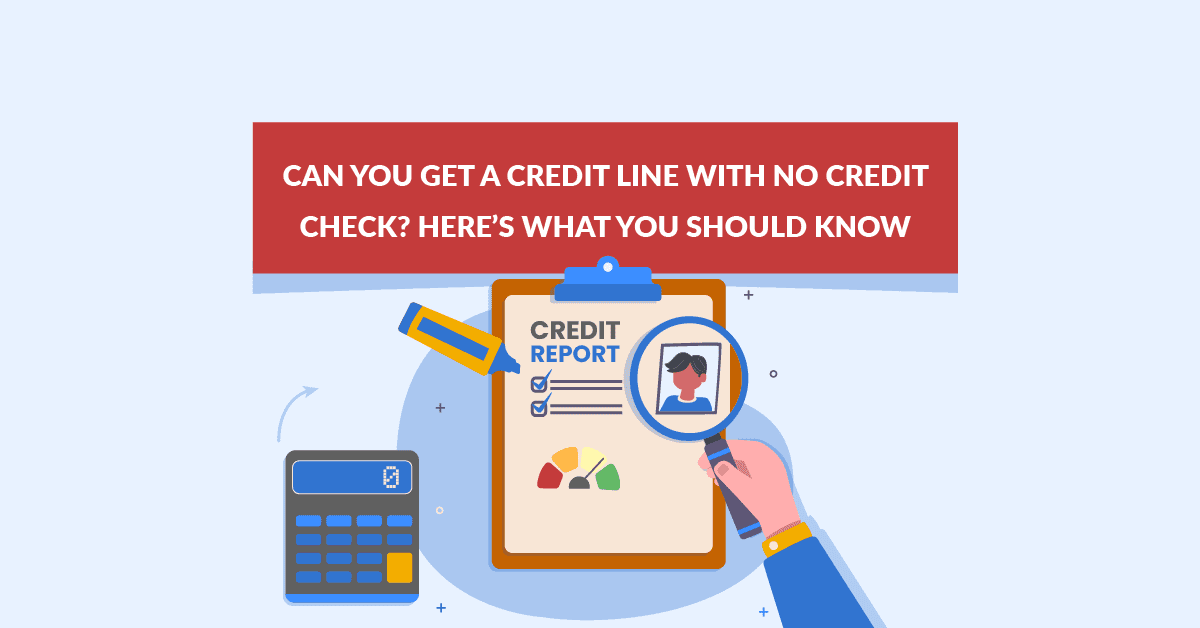
When it comes to securing a business credit line, many entrepreneurs are curious about the possibility of obtaining one without undergoing a credit check. For businesses with less-than-perfect credit or those looking to avoid a hard inquiry, the idea of a credit line with no credit check can be appealing. However, while it may be possible to obtain such credit lines, there are important considerations and potential limitations that business owners should be aware of.
In this article, we will explore the options for obtaining a credit line without a credit check, how these alternatives work, and what factors you should consider before applying.
What Is a Credit Check and Why Is It Important?
A credit check is a process used by funders to assess the creditworthiness of an individual or business before offering financing. The check typically pulls data from a credit bureau, which includes an individual’s or business’s credit history, outstanding debts, repayment patterns, and overall financial health.
There are two types of credit checks:
- Hard Inquiry: This type of credit check occurs when you apply for a line of credit, loan, or mortgage. Hard inquiries can temporarily lower your credit score and are visible to other potential funders.
- Soft Inquiry: A soft inquiry occurs when a business or individual checks their own credit or when a potential funder evaluates credit without the intent to make a lending decision. Soft inquiries do not affect your credit score and are not visible to other funders.
A traditional credit line application usually involves a hard inquiry, meaning the funder checks your credit score and history as part of the approval process.
Is It Possible to Get a Credit Line Without a Credit Check?
Yes, it is possible to get a credit line without a formal credit check, though these options are often limited and may come with higher costs, stricter requirements, or smaller credit limits. Here are some ways businesses might secure a credit line with no credit check:
1. Secured Credit Lines
A secured credit line is one in which a business provides collateral—such as equipment, inventory, or real estate—in exchange for access to a line of credit. Since the funder has the security of the collateral, they may be less concerned with the credit history of the business. In this case, a credit check might not be required.
However, while no credit check might be involved, the business is still responsible for providing valuable assets as collateral. If the business fails to repay the credit line, the funder may seize the collateral to recover the funds.
Benefits of secured credit lines:
- Easier qualification for businesses with poor credit
- Access to higher credit limits
- Lower rates compared to unsecured options
Considerations:
- The need to provide collateral puts business assets at risk
- If you default, the funder can claim the collateral
2. No-Credit-Check Credit Cards
Some companies offer business credit cards with no credit check, often in the form of secured cards. In these cases, the business owner deposits a certain amount of money upfront, which acts as the credit limit for the card. The credit card issuer does not perform a credit check because the credit line is backed by the deposit.
These cards function much like traditional credit cards, allowing the business to make purchases and repay over time. However, the amount of credit is limited to the deposit amount, and the business is still required to repay the balance in full to avoid penalties or fees.
Benefits of no-credit-check business credit cards:
- Easier approval for businesses with poor credit
- Use the card for daily expenses, helping build business credit
- Fixed credit limit based on the deposit
Considerations:
- The initial deposit is typically required upfront, which could be difficult for businesses with limited cash flow
- May come with higher fees and rates than traditional business credit cards
3. Revenue-Based Financing Lines
Revenue-based financing (RBF) is another option that might not require a credit check. This financing model allows businesses to secure funds based on their revenue rather than their credit score. The funder assesses your business’s cash flow and determines your eligibility based on how much revenue the business generates.
RBF often comes in the form of a line of credit or lump sum advance that is repaid through a percentage of daily or weekly sales. This makes it a flexible option, but it may not be as widely available as other forms of financing.
Benefits of revenue-based financing:
- Approval is based on sales rather than credit score, making it a viable option for businesses with poor credit
- Flexible repayment options that adjust with business revenue
- Fast access to capital for short-term needs
Considerations:
- Repayment terms may be more expensive than traditional credit lines
- Funding amounts are generally lower than what might be available with more traditional financing options
4. Fintech-Based Credit Lines
Many fintech companies specialize in offering credit lines with minimal to no credit checks. These credit lines often rely on alternative data, such as bank account activity, recent transactions, or revenue patterns, to assess creditworthiness. This allows businesses to secure credit lines even if they have poor or no credit history.
While these options can be more flexible and accessible, they may come with higher fees, variable rates, and shorter repayment terms compared to traditional credit lines.
Benefits of fintech-based credit lines:
- Fast approval process and easy application
- No credit check or minimal credit assessment
- Use funds for a wide range of business needs
Considerations:
- May come with higher costs, such as fees
- Credit limits might be lower than traditional business credit lines
The Risks and Considerations of No-Credit-Check Credit Lines
While obtaining a credit line without a credit check may sound appealing, it’s important to understand the risks and limitations associated with this type of financing:
1. Higher Costs
Most no-credit-check credit lines come with higher fees and rates compared to traditional credit lines. This is because funders may view businesses with poor credit as higher risk, and they offset that risk by charging higher costs. Before applying, carefully evaluate the total cost of the credit line, including fees, rates, and any penalties for late payments.
2. Limited Credit Limits
Credit lines that don’t require credit checks typically come with lower credit limits, especially if you are using a secured credit card or alternative data-based financing. A smaller credit limit might not be sufficient to cover larger business needs, such as purchasing inventory or expanding operations.
3. Impact on Your Credit
Although no-credit-check credit lines may not impact your credit score initially, irresponsible use can still have long-term consequences. If you miss payments or fail to manage the credit line responsibly, the funder may report the activity to credit bureaus, potentially damaging your credit score and making it harder to secure financing in the future.
4. Risk of Exploitation
Some providers of no-credit-check credit lines may exploit businesses by offering terms that are unfavorable or hard to understand. It is crucial to carefully read the fine print and ensure you understand all the fees, repayment terms, and conditions associated with the credit line.
Conclusion: Should You Apply for a Credit Line with No Credit Check?
While obtaining a business credit line with no credit check is possible, it’s essential for business owners to fully understand the terms, costs, and risks involved. Secured credit lines, revenue-based financing, no-credit-check credit cards, and fintech-based lending platforms can all provide access to funds without a hard inquiry on your credit, but each comes with its own set of advantages and trade-offs.
Before moving forward, consider the amount of credit you need, the costs involved, and your ability to repay. If you have poor credit or are a new business, no-credit-check credit lines may be an effective way to get the financing you need, but it’s crucial to use these options responsibly to avoid falling into debt.
Carefully assess your business’s needs and financial health, and explore all available options to find the best credit line solution for your specific situation.