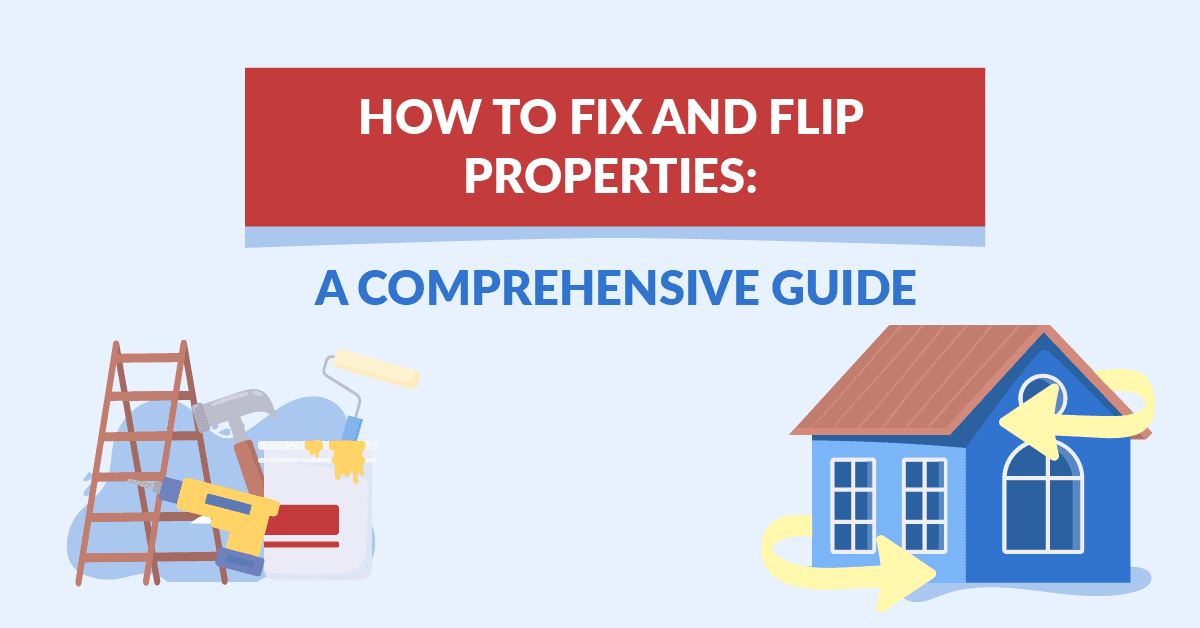
House flipping, the practice of buying, renovating, and selling a property for profit, has gained popularity among real estate investors. However, the process involves numerous steps and potential challenges. This guide provides a comprehensive overview, with a focus on how to fix and flip properties.
Understanding Fix and Flip Loans
Fix and flip loans are a type of short-term financing designed specifically for purchasing and renovating properties. These loans provide the necessary capital to buy a house, make repairs, and prepare it for sale. Here’s what you need to know about fix and flip financing:
- Quick Approval and Funding: Unlike traditional mortgages, fix and flip loans are typically approved and funded quickly, often within days.
- Short-Term Duration: These loans are meant for short-term use, usually 6 to 18 months, aligning with the typical timeline of a house flip.
- Flexible Terms: Funders may offer flexible terms and rates, often based on the property’s after-repair value (ARV).
Getting Started with House Flipping
Do You Need a Real Estate License to Flip Houses?
No, you do not need a real estate license to flip houses. However, having one can be beneficial. It allows you to access multiple listing services (MLS), understand market trends better, and potentially save on real estate commissions.
How to Start a House Flipping Business
- Education and Research: Learn about the real estate market, renovation costs, and the flipping process.
- Create a Business Plan: Outline your goals, budget, financing options, and target market.
- Build a Team: Assemble a team of professionals, including contractors, real estate agents, and funders..
- Find Properties: Use MLS, auctions, and networking to find potential flip properties.
- Secure Financing: Apply for fix and flip financing or explore other funding options like those offered by REIL Capital.
- Renovate: Oversee the renovation process to ensure it stays on budget and schedule.
- Sell: Market and sell the property to achieve a profitable return.
Financing Your House Flip
How to Get a Loan to Flip a House
To secure fix and flip financing, follow these steps:
- Prepare Your Documents: Gather financial statements, credit reports, and a detailed business plan.
- Find a Funder: Research funders who specialize in fix and flip loans.
- Apply for the Loan: Submit your application along with the necessary documentation.
- Approval and Funding: Once approved, the funder will disburse funds, often in stages, based on the renovation progress.
Consider fix and flip financing by REIL Capital to ensure a smooth and efficient process.
How to Flip a House with No Money
Flipping a house with no money is challenging but possible through these strategies:
- Partner with Investors: Find investors willing to fund the project in exchange for a share of the profits.
- Seller Financing: Negotiate with the seller to finance the purchase.
- Hard Money Loans: Use hard money funders who offer loans based on the property’s value, not your credit score.
- Wholesaling: Contract a property and sell the contract to another investor for a fee.
Costs and Timeline
How Much Does It Cost to Flip a House?
The cost to flip a house varies widely based on location, property condition, and scope of renovations. Key expenses include:
- Purchase Price: The cost to buy the property.
- Renovation Costs: Expenses for materials, labor, permits, and inspections.
- Carrying Costs: Monthly expenses like financing payments, utilities, insurance, and taxes.
- Selling Costs: Real estate agent commissions, closing costs, and marketing expenses.
How Long Does It Take to Flip a House?
The timeline for flipping a house typically ranges from 6 to 12 months. This includes time for purchasing, renovating, and selling the property. Delays can occur due to unforeseen renovation issues, market conditions, or financing problems.
Risks and Considerations
Why Flipping Houses Is a Bad Idea for Some
Flipping houses can be lucrative but comes with risks, such as:
- Market Fluctuations: Property values can decline, reducing potential profits.
- Renovation Surprises: Unexpected issues can increase costs and delay the project.
- Time Commitment: Flipping houses requires significant time and effort.
Conclusion
Flipping houses can be a rewarding investment strategy when approached with careful planning and the right financing. Fix and flip financing is an essential tool that provides the capital needed for successful flips. By understanding the costs, timelines, and potential risks, you can make informed decisions and increase your chances of a profitable house flip. For personalized assistance, consider fix and flip financing by REIL Capital to support your house-flipping ventures.