There is an influential common denominator in operating a business that is seasonal and that deal with long billing cycles, big invoices, or large purchase orders. That commonality is the inconvenient waiting period between service completion or product delivery and payment from your customer.
Day in and day out, businesses are facing longer and longer wait times for this as a result of many factors, with one of the most impactful being the pandemic. Without payment, companies are unable to pay their employees, afford surprise expenses, or withstand emergencies.
This is leaving businesses with limited options. The best option is invoice financing, and here is how it works:
What is Invoice Financing?
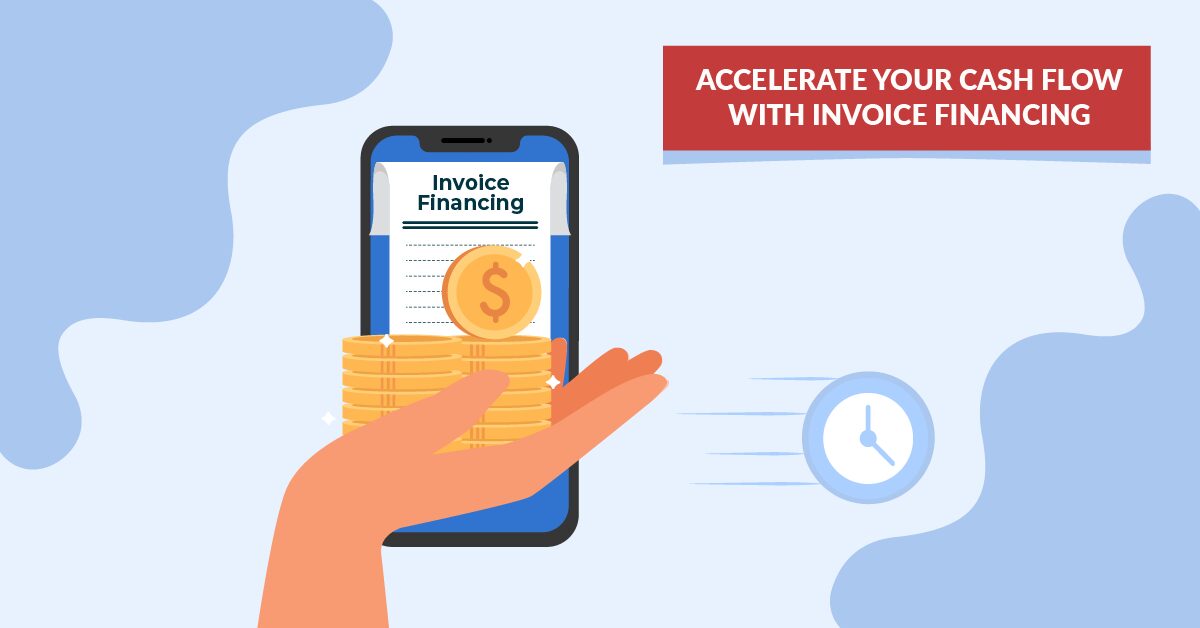
Invoice financing is capital that is forwarded to you based on your accounts receivable. Your invoice acts as your collateral while you await payment from your customer.
As our experts have discovered, it takes days for some businesses to receive their expected payments from customers or to see a return on their investment. During this time, supplies still need to be ordered and bills still need to be paid. Eventually, a business owner is faced with three choices: badgering the client, waiting longer, or applying for invoice financing.
What Documents Do I Need When Applying?
Certain documentation is required for all financing situations. At REIL Capital, we try to limit the amount of paperwork needed for your application. We require the following documentation when applying:
- A completed REIL Capital application form
- 3 months of business bank statements
- Accounts receivable aging reports
- Business profit and loss statements
- Business balance sheet
Having these documents handy ahead of time will save you time when applying. However, we’ve already made things easier by providing you with a 3-minute application.
What Are the Qualifications for Invoice Financing?
Qualifications for invoice financing will vary among lenders and banks. With us, we ask for the businesses to have the following:
- At least $250,000 in annual revenue
- 1 or more years in business
- Unpaid invoices
Another point to keep in mind is that when it comes to qualifying and applying, your credit score is among the least important.
How Does It Work?
When you are awaiting payment from your customer(s) and need to pay regular business expenses or other, a lender can give you the amount stated on your invoice ahead of time.
To do this, you will be asked for your unpaid invoice, as your invoice itself serves as your collateral in the meantime. This will be held until your customer has paid you, and you have repaid your lender.
However, as with any financing agreement, the amount given to the business owner is the amount on the invoice minus a specified percentage. This percentage will vary per lender or bank.
With a traditional bank, a business owner may face higher rates, longer wait times, and more requests for documentation; in addition to this, your credit score will have an influence. When compared to a lender, a business owner will have shorter terms, more affordable rates, and your credit score does not matter.
What Are the Pros?
Invoice financing can provide you with almost immediate capital. You could have up to 90% of the invoice in your account in as little as 3 days.
As our financial specialists explain, with terms of 1-2 years and rates starting at 12%, invoice financing from REIL Capital is a great way for small business owners to get quick cash to cover short-term expenses; if you need money in the short term to pay for day-to-day expenses like payroll, bills, inventory, and rent, invoice financing is quick and easy.
With this option, you will always have money in your account.
What Are the Cons?
If your business is business-to-consumer and/or you have more frequent sales rather than long-term invoices, then invoice financing may not be a good fit.
The more small transactions and invoices you collect on a daily basis, the more fees and rates can be applied. Rather than having one fee associated with your final price, you are adding on to your amount owed, therefore contradicting the purpose of seeking invoice financing in the first place.
If you are business-to-business, then yes, invoice financing is a very realistic choice. On the downside, invoice financing is known for its high rates. If you can handle slightly higher rates than other forms of financing, we can guarantee almost immediate cash flow to your business.
Plus, you can count on us for giving you some of the most competitive rates around. We want you to succeed.
FAQ about Invoice Financing
Does my credit score matter?
Your credit score is one of the least important things that lenders look at when making a decision for invoice financing. With your invoice serving as collateral, you instantly become less of a risk for investments.
How much of my invoice will I receive with invoice financing?
Businesses can receive up to 90% of the invoice. A percentage or fees are applied when the amount is given to the business owner.
What determines the rate?
You will be given immediate access to cash in return for a specified fee or a percentage of the amount borrowed. This is up to the lender or bank. The percentage for invoice financing is generally about 3-5% of the invoice value, and the fees are usually 2-4% of your invoice value per month, according to Nav.
What are the typical rates?
Our rates for invoice financing start at 12%.
How fast can I get it?
You can receive capital in as little as 3 days with us.
If you are tired of waiting on customers to pay you for products and services, or if you can’t afford to wait due to daily expenses, we would be happy to help you through invoice financing. We will support you along the way to ensure you are able to pay for everything necessary.
Contact us to learn more about invoice financing. We have financial experts ready to guide you!