A line of credit can be a game-changer for your business, offering flexible access to funds whenever needed. But to apply for a credit line can feel daunting, especially if you’re unsure about the process. This guide breaks down everything you need to know, step-by-step, so you can confidently navigate the application process and secure the financial support your business needs.
What Is a Credit Line and Why Is It Valuable?
A credit line works as a revolving financial resource. Unlike a one-time disbursement, a credit line allows you to draw funds repeatedly up to a set limit. Once you repay the borrowed amount, those funds become available again.
This makes credit lines especially useful for:
- Managing Seasonal Cash Flow: Cover gaps during slow months.
- Handling Emergencies: Access funds quickly for unexpected expenses.
- Financing Growth: Invest in inventory, equipment, or marketing campaigns as needed.
Step 1: Determine If a Credit Line Is Right for You
Before starting your application, assess whether a credit line fits your business’s needs. Ask yourself:
- Do you need ongoing access to funds rather than a lump sum?
- Can your business handle periodic repayments?
- Are you looking for flexibility rather than long-term financial commitment?
If the answer is yes, a credit line may be the ideal solution.
Step 2: Assess Your Eligibility
Funders evaluate several factors to determine if your business qualifies for a credit line. Here’s what they typically review:
- Business Revenue:
Many funders prioritize consistent revenue over credit scores. They want to see that your business generates enough cash flow to repay borrowed funds. - Time in Business:
The longer your business has been operational, the more likely you’ll be approved. Most funders require at least six months to one year of operational history. - Credit Score (Business or Personal):
While not always the deciding factor, your credit score can impact the terms you’re offered. Some funders cater to those with bad credit, focusing more on business performance. - Industry Type:
Certain industries are considered higher risk. If your business operates in a stable sector, this can work in your favor.
Step 3: Gather Necessary Documentation
Before applying, collect the documents funders commonly request:
- Business Financial Statements: Profit-and-loss (P&L) statements and balance sheets.
- Bank Statements: Typically for the last three to six months, to verify cash flow.
- Business License or Registration: Proof that your business is legitimate.
- Identification: A government-issued ID for the business owner(s).
Having these documents ready can speed up the application process.
Step 4: Research and Compare Credit Line Options
Not all credit lines are the same, so take time to evaluate your options. Consider these factors:
- Secured vs. Unsecured Credit Lines:
- Secured: Requires collateral but may offer better terms.
- Unsecured: No collateral required, but costs might be higher.
- Credit Limits:
Choose a credit line that aligns with your business’s needs. Avoid opting for excessive limits, which can tempt overspending. - Cost Structure:
Understand the fees, repayment terms, and costs associated with each credit line. Always request a breakdown if details aren’t clear. - Reputation of the Funder:
Research reviews, testimonials, and Better Business Bureau ratings to ensure you’re working with a trustworthy funder.
Step 5: Submit Your Application
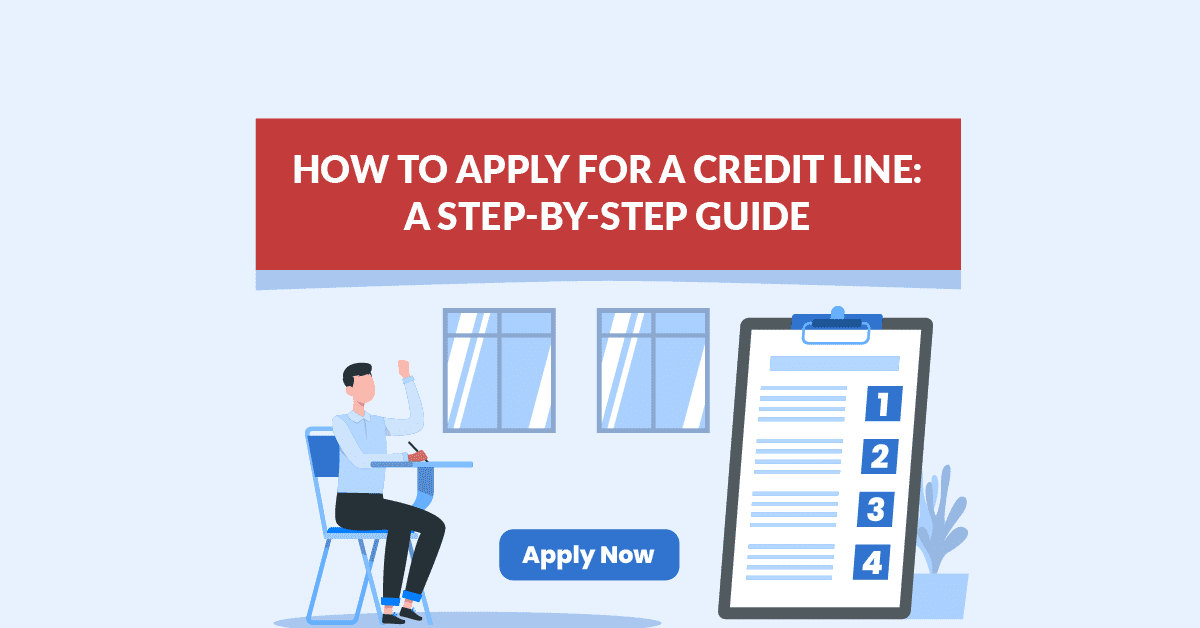
Once you’ve chosen the credit line that best fits your business needs, it’s time to apply. Most applications can be completed online and typically involve the following steps:
- Fill Out the Application Form: Provide personal and business information, including details about your financials and revenue.
- Upload Documents: Submit the required documentation for verification.
- Verify Your Information: Funders may contact you to confirm details or request additional information.
- Wait for Approval: The approval process can take anywhere from a few hours to several days, depending on the funder.
Step 6: Understand the Terms and Conditions
Before accepting an offer, review the agreement carefully. Pay attention to:
- Repayment terms and schedule.
- Costs, including any fees or penalties.
- Credit limit and how it may adjust over time.
If anything is unclear, don’t hesitate to ask questions.
Step 7: Draw Funds and Use Responsibly
Once approved, you can start accessing your credit line. Use the funds strategically to maximize the benefits for your business. For example:
- Cover short-term expenses to avoid disrupting operations.
- Invest in growth opportunities that promise a high return.
Be mindful of repayment schedules to maintain your credit line and build trust with the funder.
Common Mistakes to Avoid When Applying for a Credit Line
- Not Reading the Fine Print: Overlooking terms can lead to unexpected fees or repayment challenges.
- Applying Without Preparation: Incomplete applications or missing documents can delay approval.
- Overestimating Needs: Requesting more than you require may lead to unnecessary costs.
- Using the Credit Line Irresponsibly: Overusing or mismanaging funds can harm your financial standing.
Key Takeaways
To apply for a credit line doesn’t have to be complicated. By understanding the process, gathering the necessary documentation, and choosing the right funder, you can secure flexible financial support tailored to your business.
Whether you’re navigating seasonal challenges, managing cash flow, or pursuing growth opportunities, a credit line can be a vital tool—provided you use it wisely.