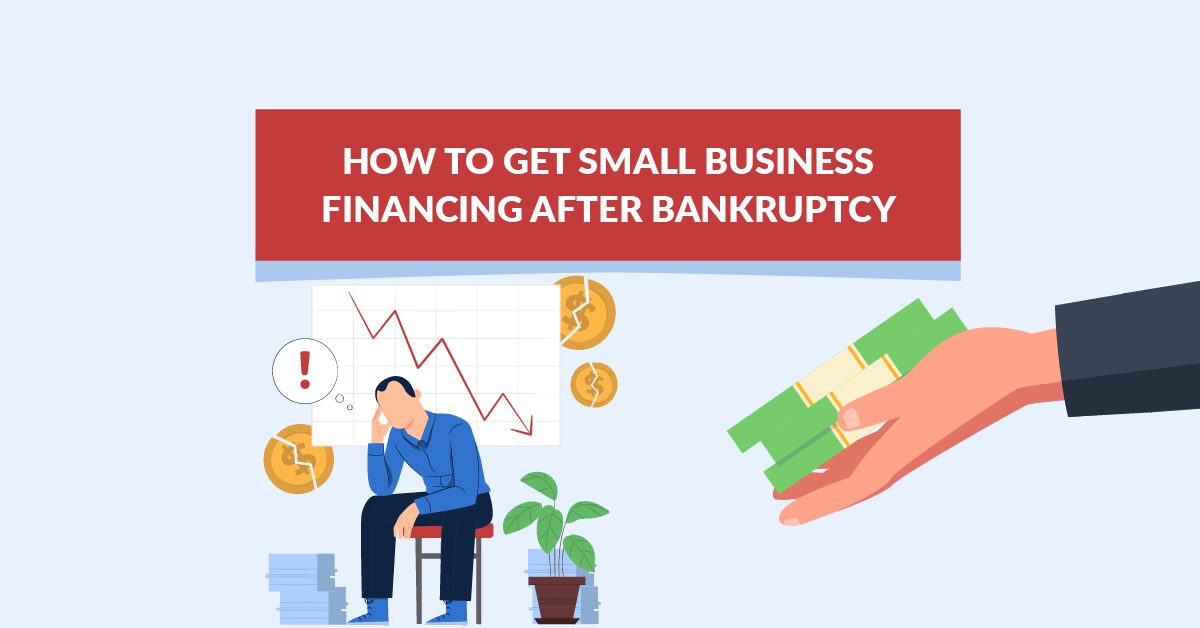
The moment you file for bankruptcy, your credit score has already received a huge hit due to the accumulated unpaid debt. The fact that credit history plays a huge role in determining the outcome of any funding approval process, small businesses that have had a bankruptcy in the past often go through a long trial to be able to secure financing. There are different ways that can help your small business have a fighting chance of getting approved.
Here’s how you can get small business financing after bankruptcy.
Give It Time
Let’s face it; absolutely no funder will agree to give out financing immediately after the small business declares bankruptcy. Give yourself time to rebuild your business and your credit, ensuring that the debt is kept to a minimum and also paying on time.
Although some funders will only approve additional small business funding applications three to four years after the business declares bankruptcy, your options, terms, and chances of approval get better every passing year.
Create a Business Plan
Having a past bankruptcy can affect your entire small business funding application. Get ready to expect and address possible concerns with a business plan that showcases your sales plan, market research, current financial statements, and financial projections for the future.
Write a Statement of Bankruptcy
If you haven’t yet, you should address directly the obvious in your credit report as well as additional information from your business plan that describes the events that led to bankruptcy, as well as what has changed since then.
Enlist a Business Partner
Having a loved one or a business partner that has a clean credit history can co-sign your business financing can significantly improve your chances of approval after bankruptcy. Your co-signer will be personally responsible for the debt if you ever default.
Check Out Alternative Business Financing Options
Traditional term financing or business line of credit may be difficult to attain at the height of bankruptcy. However, other kinds of business funding may be more accessible.
For example, invoice financing utilizes your business’ unpaid invoices as collateral for a cash advance, focusing on your customer’s payment history instead of your credit score when it comes to approving your funding application or not.
How REIL Can Help
Filing for bankruptcy provides a fresh start financially for small business owners. While it may not be as easy to get approved for funding if your small business declares bankruptcy, it’s definitely not impossible!
Browse through our selection of financing options and carefully assess each one in terms of the type of financing and the eligibility requirements so that you can apply for it.
For more assistance, you can send us a message, and we’ll happily help you determine the best type of funding option for your small business.