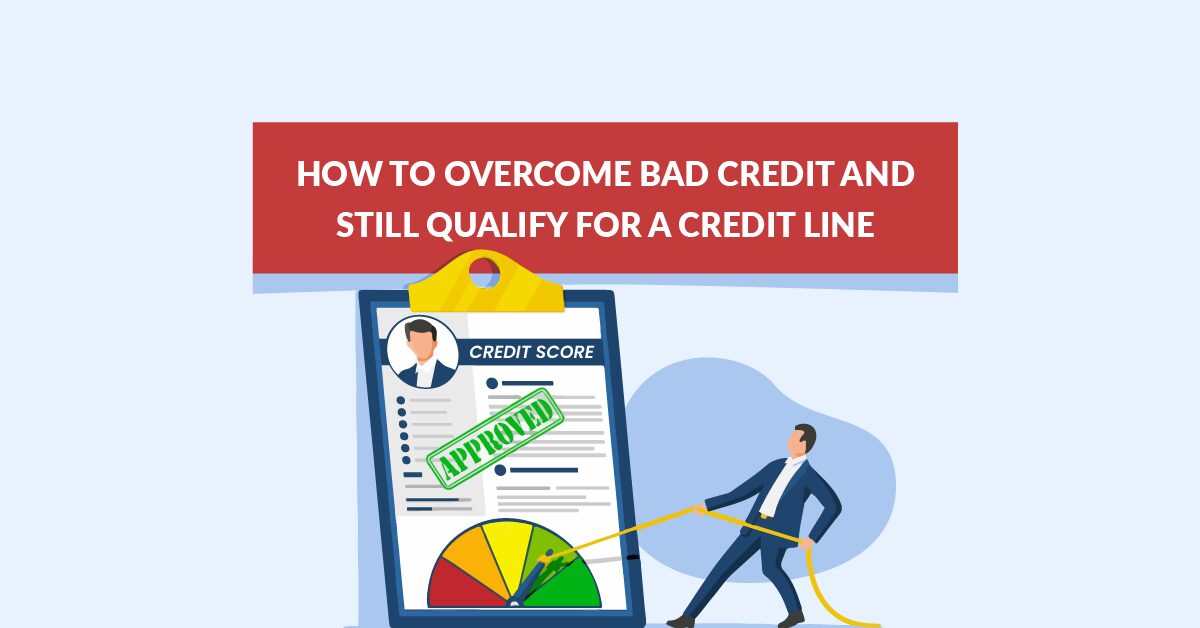
Bad credit can be a significant barrier to obtaining financing, but it doesn’t mean you’re automatically disqualified from securing a business credit line. Many businesses struggle with poor credit due to past financial difficulties, cash flow challenges, or unexpected market conditions. However, there are strategies you can implement to overcome bad credit and still qualify for the credit you need to keep your business running smoothly.
In this article, we’ll explore practical steps you can take to overcome bad credit, enhance your chances of qualifying for a credit line, and ensure that your business has the financial flexibility it needs to grow and thrive.
Understanding Bad Credit and Its Impact on Credit Lines
Bad credit is typically defined by a low credit score, usually below 600, although the specific threshold may vary depending on the funder. A credit score is calculated based on factors like:
- Payment history: Whether you’ve paid your bills on time.
- Credit utilization: The ratio of your current debt to available credit.
- Length of credit history: How long you’ve had credit accounts.
- New credit accounts: How often you’ve applied for credit recently.
- Credit mix: The variety of credit types you have used.
A bad credit score indicates that you’ve had trouble managing debt in the past, which can make potential funders wary of extending a credit line to you. However, credit scores are just one part of the equation. Many funders understand that businesses can still be successful despite having poor credit histories, especially if they can demonstrate their ability to generate revenue, manage cash flow, and handle their financial obligations responsibly.
Steps to Improve Your Chances of Qualifying for a Credit Line Despite Bad Credit
- Consider Secured Credit Lines
One of the easiest ways to overcome bad credit and qualify for a credit line is to consider a secured credit line. A secured credit line requires you to offer collateral, such as business assets or personal property, in exchange for access to credit. Because the funder has the assurance that they can seize the collateral if you default, they are often willing to approve your application despite a poor credit history.
- Benefits: Easier approval process, higher credit limits, and lower rates compared to unsecured credit lines.
- Risks: You risk losing your collateral if your business is unable to repay the credit line.
If you have valuable business assets, this could be a viable option for accessing the funds you need without relying on your credit score.
- Use a Co-Signer or Personal Guarantee
If you can’t qualify for a credit line on your own due to bad credit, you might consider asking someone with better credit to co-sign or offer a personal guarantee on the credit line. A co-signer is typically a trusted individual, such as a business partner or close family member, who agrees to take on the responsibility of repaying the debt if your business is unable to do so.
A personal guarantee means that, as the business owner, you are personally liable for repaying the credit line, even if the business defaults. While this puts your personal assets at risk, it can be a useful option if you are having trouble obtaining business credit due to poor credit.
- Benefits: Greater chance of approval with a co-signer or personal guarantee.
- Risks: Increased responsibility and risk, especially for your co-signer or if you’re personally guaranteeing the debt.
- Explore Alternative Financing Options
Traditional credit lines often rely heavily on credit scores, but alternative financing options may be more flexible when it comes to evaluating your creditworthiness. For instance, revenue-based financing or merchant cash advances can provide access to funds based on your business’s revenue or future sales, rather than your credit score.
Many alternative funders look at your business’s cash flow, sales history, and overall financial health instead of relying solely on your credit score. If your business has strong revenue and a consistent flow of customers, you may still qualify for a credit line even with bad credit.
- Benefits: Easier approval criteria, flexibility in repayment terms, and faster access to funds.
- Risks: Might have higher fees, rates, and shorter repayment periods compared to traditional credit lines.
- Demonstrate Business Stability and Revenue
Even with bad credit, you can improve your chances of qualifying for a credit line by demonstrating the financial stability and revenue potential of your business. Funders often want to see evidence that your business is consistently generating income and has the ability to repay any borrowed funds.
- Prepare Financial Statements: Have clear, up-to-date financial statements, including profit and loss reports, balance sheets, and cash flow statements. These documents can help demonstrate the health and stability of your business.
- Provide Evidence of Revenue: Funders want to know that your business has a consistent stream of revenue to repay the credit line. If your revenue is steady or growing, this can offset concerns about your bad credit.
- Create a Solid Business Plan: A well-thought-out business plan that outlines your growth strategy, target market, and financial projections can help reassure potential funders that you’re on the right track.
By showing funders that your business is financially stable and has the capacity to repay a credit line, you increase your chances of approval, even if your credit score isn’t ideal.
- Limit Your Credit Utilization and Improve Your Credit Score Over Time
While it’s not a quick fix, improving your credit score over time can increase your chances of qualifying for a credit line with better terms. Focus on reducing your credit utilization, which means paying down existing debt and keeping your credit balances low relative to your available credit.
Additionally, pay your bills on time, avoid opening too many new accounts in a short period, and dispute any errors on your credit report. These efforts will gradually improve your credit score, making it easier to qualify for business credit lines in the future.
- Benefits: Better credit score, more favorable credit terms, and increased eligibility for higher credit limits.
- Risks: Takes time and consistent effort, and the results may not be immediate.
- Consider a Business Credit Card for Startups
For businesses just starting out or those with bad credit, a business credit card can be a good way to establish credit and build a financial history. Some business credit cards don’t require extensive credit checks or offer lower qualification standards, making them a viable option for those with bad credit.
Keep in mind that business credit cards usually come with lower credit limits than traditional lines of credit. However, they can still provide much-needed access to funds for everyday expenses, and responsible use can help improve your credit score over time.
- Benefits: Easier approval, useful for building business credit, and access to short-term funding.
- Risks: High rates and fees if not used responsibly.
Conclusion: Overcoming Bad Credit to Secure a Credit Line
While having bad credit may feel like an obstacle, it’s important to remember that there are multiple pathways to securing a business credit line. By taking steps like offering collateral, utilizing alternative financing options, demonstrating business stability, or gradually improving your credit score, you can enhance your chances of qualifying for the funding your business needs.
Bad credit doesn’t have to be the end of your financial options. By leveraging your business’s strengths, exploring creative financing solutions, and working to improve your credit score, you can still access a credit line and continue to grow your business with confidence.
Before applying for any credit line, make sure to thoroughly understand the terms and conditions, including fees and repayment schedules. Carefully assess your business’s ability to handle the responsibility of a credit line and ensure that the financing you choose aligns with your long-term business goals.