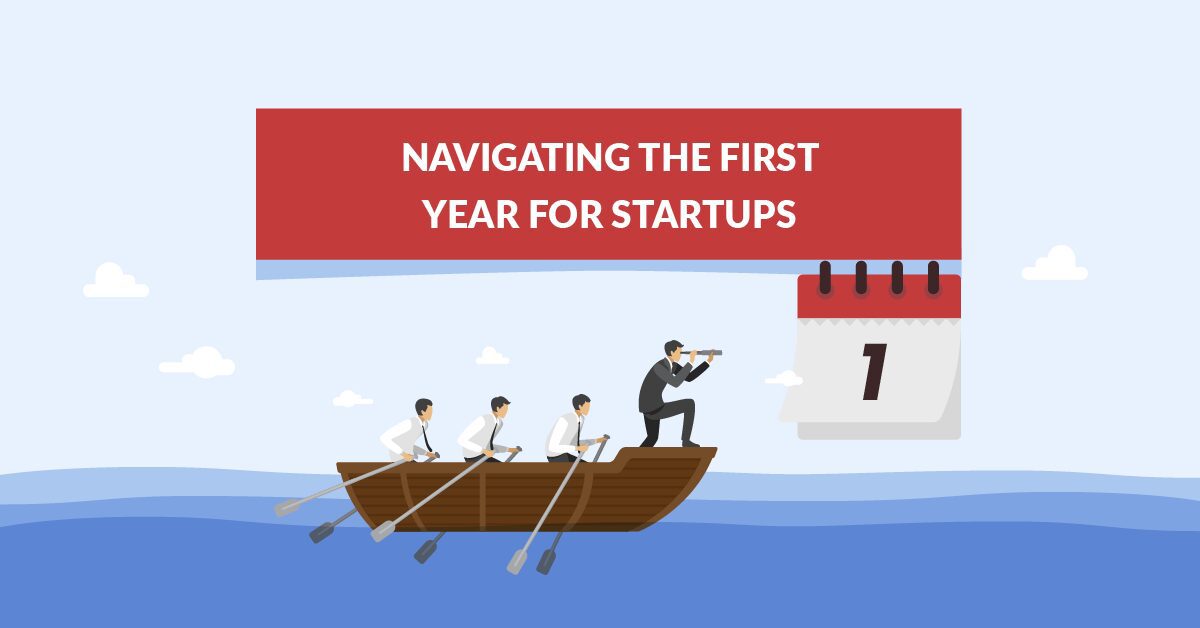
The first year of a startup is often considered the most challenging and crucial phase of a business’s life cycle. During this period, entrepreneurs face numerous obstacles, from establishing their brand to managing cash flow. This article aims to provide insights and strategies for navigating the first year effectively, ensuring a solid foundation for future growth.
Setting Realistic Goals
One of the key components of successfully navigating the first year is setting realistic, achievable goals. Startups should establish short-term and long-term objectives, ensuring they are specific, measurable, attainable, relevant, and time-bound (SMART). This approach helps in focusing efforts, tracking progress, and adapting strategies as needed.
- Short-Term Goals: These could include launching a minimum viable product (MVP), acquiring initial customers, or achieving specific revenue targets within the first six months.
- Long-Term Goals: Consider broader objectives, such as expanding into new markets or achieving profitability within a defined timeframe.
Understanding Your Target Market
Conducting thorough market research is essential for understanding your target audience. Identify customer pain points, preferences, and behaviors to tailor your offerings effectively. Use surveys, focus groups, and social media engagement to gather insights and refine your product or service based on feedback.
Building a Strong Brand Identity
In the crowded startup landscape, establishing a recognizable brand is crucial. Develop a unique value proposition that sets you apart from competitors. Create a consistent brand identity, including a memorable logo, cohesive messaging, and a strong online presence. Utilize social media and content marketing to engage with your audience and build brand awareness.
Financial Management
Effective financial management is vital for startup survival in the first year. Entrepreneurs should keep a close eye on cash flow, expenses, and revenue. Here are some strategies to consider:
- Create a Detailed Budget: Outline all expected expenses, including operational costs, marketing, and salaries. This budget will serve as a financial roadmap, helping to avoid overspending.
- Track Cash Flow: Regularly monitor your cash flow to ensure you have enough funds to cover expenses. Utilize accounting software or hire a financial professional to keep accurate records.
- Explore Funding Options: Consider various funding sources, such as personal savings, loans, angel investors, or crowdfunding, to secure the capital needed to sustain operations and support growth.
Building a Support Network
Navigating the first year can be overwhelming, but you don’t have to go it alone. Surround yourself with a strong support network of mentors, advisors, and fellow entrepreneurs. These individuals can provide guidance, share their experiences, and offer valuable insights that can help you avoid common pitfalls.
- Mentorship: Seek mentors with experience in your industry who can provide advice and encouragement.
- Networking: Attend industry events, workshops, and networking sessions to connect with other entrepreneurs and potential partners.
Adapting to Change
Flexibility is key in the startup world. The first year may bring unexpected challenges or opportunities, requiring you to adapt quickly. Stay informed about industry trends, customer feedback, and market shifts. Be open to pivoting your strategy or product offerings based on new insights or changing circumstances.
- Gather Feedback: Regularly solicit feedback from customers and stakeholders. Use this information to make informed decisions and improvements.
- Be Willing to Pivot: If your initial plan isn’t yielding results, don’t hesitate to explore new directions or markets. Successful entrepreneurs are often those who can pivot effectively when needed.
Effective Marketing Strategies
Marketing is critical for acquiring customers and generating revenue in the early stages. Develop a comprehensive marketing plan that includes both online and offline strategies.
- Digital Marketing: Utilize social media, search engine optimization (SEO), email marketing, and content marketing to reach your target audience.
- Public Relations: Build relationships with media outlets and influencers in your industry to gain visibility and credibility.
- Community Engagement: Participate in local events or sponsor community initiatives to enhance brand recognition and connect with potential customers.
Focus on Customer Experience
Providing exceptional customer service can differentiate your startup from competitors. In the first year, focus on building strong relationships with your customers. Listen to their feedback, address their concerns, and strive to exceed their expectations.
- Engagement: Engage with customers through social media, email, or in-person events to foster loyalty and build a community around your brand.
- Personalization: Tailor your offerings and communication to meet the specific needs of your customers, enhancing their overall experience.
Conclusion
Navigating the first year of a startup can be daunting, but with careful planning, adaptability, and a focus on customer experience, entrepreneurs can lay the groundwork for long-term success. By setting realistic goals, understanding the target market, managing finances effectively, and building a strong support network, startups can overcome initial challenges and position themselves for future growth. Embrace the journey, learn from experiences, and remain resilient—success often follows those who are willing to learn and adapt.