What is Debt Consolidation?
Business debt consolidation is the process of combining multiple debts into a single payment. This approach can simplify your financial obligations, reduce stress, and potentially save money on payments. Understanding debt consolidation for businesses is crucial for maintaining a healthy financial status and ensuring long-term business success.
Benefits of Business Debt Consolidation
Simplified Finances: By merging multiple debts into a single payment, business debt consolidation simplifies your financial management, making it easier to track and manage your obligations.
Reduced Rates: Debt consolidation often offers lower overall rates compared to the rates of individual financing options, helping you save money over time.
Improved Cash Flow: With only one payment to manage, your business can experience improved cash flow, allowing for better allocation of resources.
Credit Score Improvement: Successful debt consolidation can positively impact your business credit score by demonstrating responsible debt management.
Stress Reduction: Reducing the number of debts and payments can significantly reduce financial stress, allowing you to focus more on business operations.
Types of Business Debt Consolidation
Debt Consolidation Loans: Debt consolidation loans allow you to pay off multiple debts with a single new one. This option typically offers lower rates and longer repayment terms.
Balance Transfer Credit Cards: Using balance transfer credit cards for debt consolidation can help you take advantage of lower rates or promotional periods to pay off existing debts.
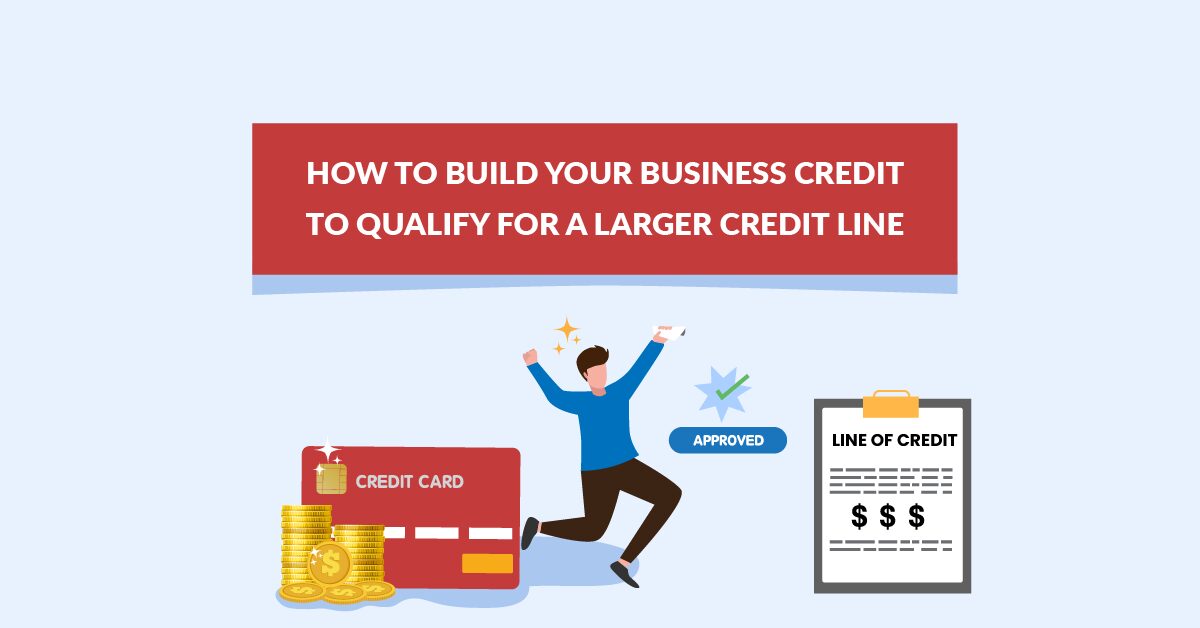
Line of Credit A line of credit can be a flexible option for consolidating business debt, providing you with funds as needed to manage and pay off multiple debts.
Merchant Cash Advances (MCA) Consolidating business debt with merchant cash advances involves using future sales to pay off existing debts, providing quick access to capital.
Invoice Factoring Using invoice factoring for debt consolidation involves selling your accounts receivable at a discount to a third party, and providing immediate cash to pay off debts.
Payment Rehabilitation by REIL Capital: Let us assist you in consolidating your debt with our innovative Payment Rehabilitation solution. Learn more here.
How to Determine If Debt Consolidation is Right for Your Business
Assessing Financial Situation Evaluate your current financial situation, including all existing debts and payments. This assessment will help determine if business debt consolidation is a viable option.
Calculating Potential Savings Understand the cost-benefit analysis by calculating potential savings from reduced rates and simplified payments.
Considering Alternative Options Before proceeding, consider alternative debt management strategies, such as business debt restructuring or debt refinancing.
Steps to Consolidate Business Debt
Evaluate Your Debt: List all current debts, including their terms, rates, and repayment schedules.
Choose the Right Consolidation Method: Select the best consolidation option for your business, whether it be a debt consolidation loan, balance transfer credit card, line of credit, or another method like Payment Rehabilitation.
Apply for Debt Consolidation: Begin the application process for your chosen consolidation method, gathering the necessary documentation and financial statements.
Implement and Monitor: Execute the consolidation plan and regularly monitor your financial situation to ensure successful debt management.
Tips for Successful Small Business Debt Consolidation
Create a Budget Implement effective budgeting to manage your consolidated debt and maintain financial discipline.
Negotiate with Funders Negotiate better terms with funders to achieve favorable repayment conditions.
Seek Professional Advice Consult financial advisors or debt counselors for expert guidance on small business debt consolidation strategies.
Maintain Financial Discipline Practicing disciplined financial management post-consolidation is crucial for maintaining a healthy financial status.
How REIL Capital Can Help
Our Services: REIL Capital offers a Payment Rehabilitation solution tailored to your business needs, helping you manage and simplify your financial obligations.
Client Support Our team supports businesses through the consolidation process, providing expert advice and personalized solutions.
Contact Information Reach out to REIL Capital for assistance with your debt consolidation needs and take the first step toward financial stability.
FAQs
- Is debt consolidation a good idea for my business? Business debt consolidation can be a good idea if it simplifies your financial obligations, reduces rates, and improves cash flow. However, it’s essential to evaluate your specific financial situation before proceeding.
- What are the pros and cons of refinancing to pay off debt? Refinancing business debt can lower rates and monthly payments but may extend repayment terms and increase total costs. Understanding the pros and cons of refinancing to pay off debt is crucial for making an informed decision.
- How does small business debt restructuring differ from consolidation? Business debt restructuring involves modifying the terms of existing debts, while consolidating business debt combines multiple debts into one. Each approach has its benefits depending on your financial situation.
- Should I choose bankruptcy or debt consolidation? When deciding between bankruptcy or debt consolidation, consider the long-term impacts on your credit score, financial health, and business operations. Consult with a financial advisor to determine the best option.
- What questions should I ask a debt consolidation company? When evaluating a debt consolidation company, ask about their experience, fees, rates, and the terms of the consolidation plan. Understanding these questions to ask a debt consolidation company ensures you choose a reputable provider.
- Can I use merchant cash advances for debt consolidation? Yes, MCA debt restructuring involves using future sales to pay off existing debts, providing quick access to capital and a viable option for consolidation.
- How does credit card refinancing vs debt consolidation compare? Credit card refinancing involves using balance transfer credit cards to manage debt. Consolidation offers a single payment solution, while refinancing focuses on transferring balances to lower interest cards.
- What is the difference between debt consolidation vs refinancing? Debt consolidation involves combining debts into one while refinancing replaces an existing debt with a new one at better terms. Each option serves different financial strategies.
- Is debt consolidation better than debt reduction? The choice between debt consolidation vs debt reduction depends on your financial goals. Consolidation simplifies payments, while reduction focuses on paying off debts quickly. Evaluate your needs to decide.