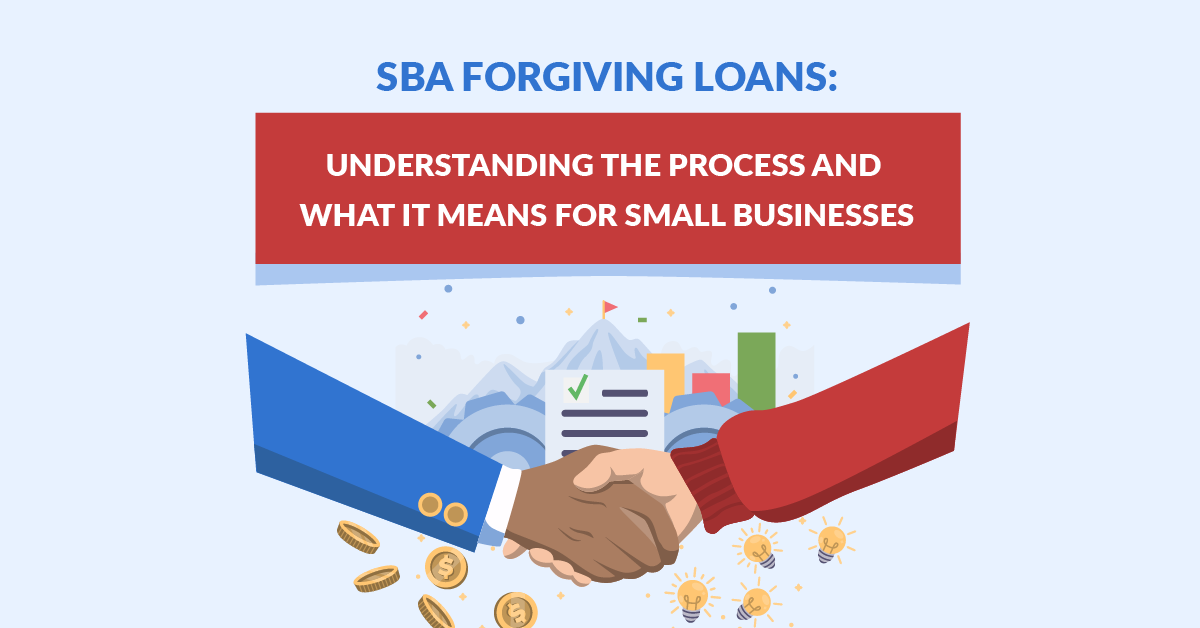
The Small Business Administration (SBA) plays a critical role in supporting small businesses through its various loan programs, helping entrepreneurs access much-needed capital to start, expand, or recover their operations. While the SBA is renowned for offering affordable loans with flexible terms, there has been increasing interest in the topic of SBA Forgiving Loan . Business owners who may be struggling to repay their loans often wonder if loan forgiveness is an option. Let’s explore the landscape of SBA loan forgiveness, what it covers, and how small business owners can navigate this financial relief.
What Is SBA Forgiving Loan?
Loan forgiveness means that the borrower is no longer required to repay some or all of a loan. While many SBA loans do not have direct forgiveness programs, the most well-known case of SBA forgiving loans was under the Paycheck Protection Program (PPP), which was specifically designed to provide relief to businesses during the COVID-19 pandemic.
The PPP was a unique SBA loan program introduced in 2020 that allowed eligible small businesses to have their loans fully or partially forgiven, provided that the funds were used for qualifying expenses like payroll, rent, and utilities. The program played a significant role in keeping millions of businesses afloat during the economic downturn.
Are Traditional SBA Loans Forgivable?
For traditional SBA loans, such as the 7(a) Loan Program, 504 Loans, or Microloans, forgiveness is not typically an option. Borrowers are expected to repay these loans in full, as they are designed to support long-term business growth rather than offer immediate financial relief like the PPP.
However, the SBA does offer several forms of assistance to struggling borrowers, including:
- Loan Modification – If a business faces difficulty repaying an SBA loan, it can apply for modifications to adjust the repayment terms, such as extending the loan term or reducing the interest rate.
- Deferment Programs – In certain situations, the SBA offers deferment options, allowing borrowers to temporarily suspend their payments for a set period. This can provide businesses with breathing room to stabilize their cash flow.
- Disaster Loan Forgiveness – The SBA’s Economic Injury Disaster Loan (EIDL) program, which provides financial relief to businesses affected by disasters like hurricanes or pandemics, does not include forgiveness. However, deferred payments and lower interest rates may be available.
The Paycheck Protection Program (PPP): A Unique Forgiveness Opportunity
As mentioned earlier, the Paycheck Protection Program was a key exception to the general rule of SBA loans being unforgivable. PPP loans could be fully or partially forgiven if the funds were used for specific purposes, such as:
- Payroll costs (to retain employees)
- Rent or mortgage interest payments
- Utility expenses
- Some operational expenses
To qualify for forgiveness, businesses had to follow strict guidelines. For example, a certain percentage of the loan had to be spent on payroll, and businesses were required to maintain employee headcounts at pre-pandemic levels. The forgiveness process involved submitting an application with documentation proving how the loan was used.
For many businesses, the PPP served as a lifeline, allowing them to survive without having to repay large amounts of money. Although the PPP ended, it highlighted the SBA’s ability to offer temporary relief through loan forgiveness in times of crisis.
How SBA Forgiving Loan Impacts Borrowers
While traditional SBA loans generally do not come with forgiveness, the introduction of PPP has shown that under certain circumstances, the government is willing to step in with loan forgiveness to stabilize the economy. For business owners, understanding when and if loan forgiveness applies is critical.
Here’s how SBA forgiving loan (or the lack thereof) impacts small businesses:
- Helps with Cash Flow – Forgiveness programs like PPP allowed businesses to reinvest in their operations without the burden of debt repayment.
- Encourages Compliance – For programs that offer forgiveness, strict requirements ensure that funds are used appropriately, creating accountability among business owners.
- Promotes Growth – Businesses that can access funds without the fear of having to repay them immediately are more likely to expand, hire, and invest in innovation.
Navigating SBA Loan Relief Options
For small business owners seeking forgiveness or repayment relief, it’s important to know your options beyond forgiveness. If you’re struggling to manage your SBA loan, consider the following steps:
- Consult with Your Funder – The SBA works with approved financial institutions that service their loans. Business owners should start by contacting their funder to discuss deferment, modification, or other relief options.
- Explore SBA Disaster Assistance – In the event of a natural disaster or economic downturn, the SBA may offer new programs with more flexible terms, including low-interest loans and deferred payment options.
- Seek Expert Guidance – Managing loan repayments, especially in difficult financial times, can be overwhelming. Working with a financial advisor or business financing expert can help you explore all available options, including refinancing or restructuring your loan.
Conclusion
While SBA forgiving loan is not a standard offering for most SBA loan programs, the temporary relief offered under the Paycheck Protection Program during the pandemic shows that the SBA is capable of introducing forgiveness options when needed. For small business owners looking for financial relief, understanding the specific terms and conditions of their loans is essential. Businesses should also explore other support options, including deferments and modifications, to manage their financial health and continue growing.
Ultimately, staying informed about SBA programs and staying in touch with your funder are the best ways to ensure that your business remains financially sound—even in times of uncertainty.