Small business owners know the struggle behind setting up and operating their businesses. There will come a time when they will have to seek financial assistance and apply for additional funding. That being said, there are two types of funding options–short-term and long-term. What are they exactly, and how does one differ from the other?
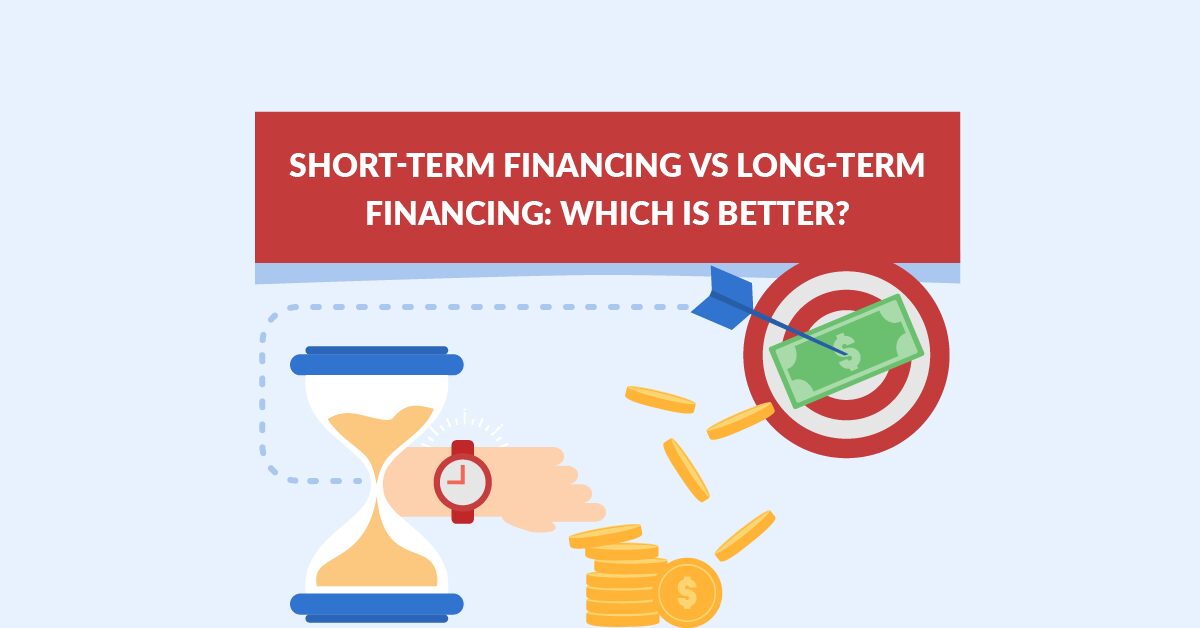
In this article, we’re going to talk in-depth about short-term financing vs. long-term financing, as well as reveal which funding option would work best for your business. So, keep reading ahead to learn more!
What is Short-Term Business Financing?
As the name suggests, short-term business financing is typically used for periods as quick as weeks or even days, and its duration can only be as long as one to two years. Compared to long-term, short-term can have more risks, but they tend to be less expensive and offer much more flexibility to the borrower.
Keeping the risk and lower rates in mind, this can potentially result in future fluctuations in rates. Monthly payments can end up being more costly because the amount has to be paid back within a short period of time.
Short-term financing is best for covering short-term needs such as inventory, cash flow fluctuations, and materials purchases.
What is Long-Term Business Financing?
Simply put, long-term financing is the exact opposite of short-term financing, where it is generally for extended periods. They usually have a lesser risk for borrowers, but when it comes to rates, they can be slightly higher compared to short-term financing.
Long-term financing can cover vehicles, equipment purchases, facilities, and other assets that have a lifespan that’s relatively long. The repayment period is quite spread over, making monthly payments relatively lower. That being said because the repayment period is longer, the total interest paid is much higher.
Short Term Financing VS Long Term Financing
So, what exactly is the difference between short-term and long-term financing? It’s time to compare the two to take note of the key differences that can help you determine which type of funding option you need.
Timeframe
Short-term financing is typically used to fund operational needs or projects for one year or less. On the other hand, long-term financing is perfect for projects or investments with a longer timeframe, usually more than one year.
Purpose
Short-term financing covers short-term expenses such as inventory, payroll, or accounts payable. Long-term financing is used to fund investments in capital assets such as buildings, equipment, or real estate.
Rates
Short-term financing typically has higher rates compared to long-term financing because of the increased risk correlated with lending money in a short period of time. On the other hand, long-term financing typically has lower rates since the risk is spread over a longer period.
Repayment Terms
When it comes to repayment terms, short-term financing is usually repaid within a year or less, while it can take several years or even a decade to repay the amount for long-term financing. The repayment terms for long-term financing are often structured to match the expected lifespan of the investment.
Collateral
Short-term financing may not require collateral or may be secured by current assets such as inventory or accounts receivable. Long-term financing is typically secured by assets such as property or equipment, which serve as collateral for the loan.
Which is Better For You?
Now that you pretty much know the difference between short-term financing and long-term financing, you are definitely wondering which one would be best for you and your business.
Well, the best type of funding option will depend on the specific needs of your business. Do you need to purchase a piece of equipment and nothing more? Or do you have obligations with payroll and taxes? Assessing what your business truly needs and reaching out to a reputable funder such as REIL Capital, will help you reach a better decision.
Conclusion
Generally speaking, short-term financing is typically used when it comes to covering day-to-day operational expenses. Whereas entrepreneurs prefer long-term financing when making huge investments that shape the growth and success of their business.
Business owners can make better, informed decisions on funding their investments and operations when understanding the differences between short-term and long-term financing.
If you are looking to meet payroll or tax obligations, need more working capital, refinancing other business debts, or just want to make a specific inventory or equipment purchase, REIL Capital can help. Compared to other funders, we offer much lower rates and flexible repayment options, check out our list of services to see which funding option interests you, and let’s work as a team to achieve success in your business!