When cash flow is tight or unexpected expenses arise, a line of credit can be a lifeline for business owners. But what if your credit history isn’t perfect? Many assume that bad credit disqualifies them from securing financial support, but that’s not always the case. In this article, we’ll dive into the world of credit lines, offering insights into how business owners with bad credit can still access this valuable financial tool.
What Is a Credit Line?
A credit line or line of credit is a financial resource that provides access to a set amount of funds. Unlike traditional financing, where you receive a lump sum upfront, a line of credit allows you to withdraw only what you need, as you need it. You’re only charged on the amount used, not the full limit, making it a flexible option for managing unexpected expenses or seasonal cash flow challenges.
For business owners, this flexibility can be critical, especially when navigating market fluctuations or dealing with delayed payments from clients.
Why Bad Credit Makes Accessing a Credit Line Challenging
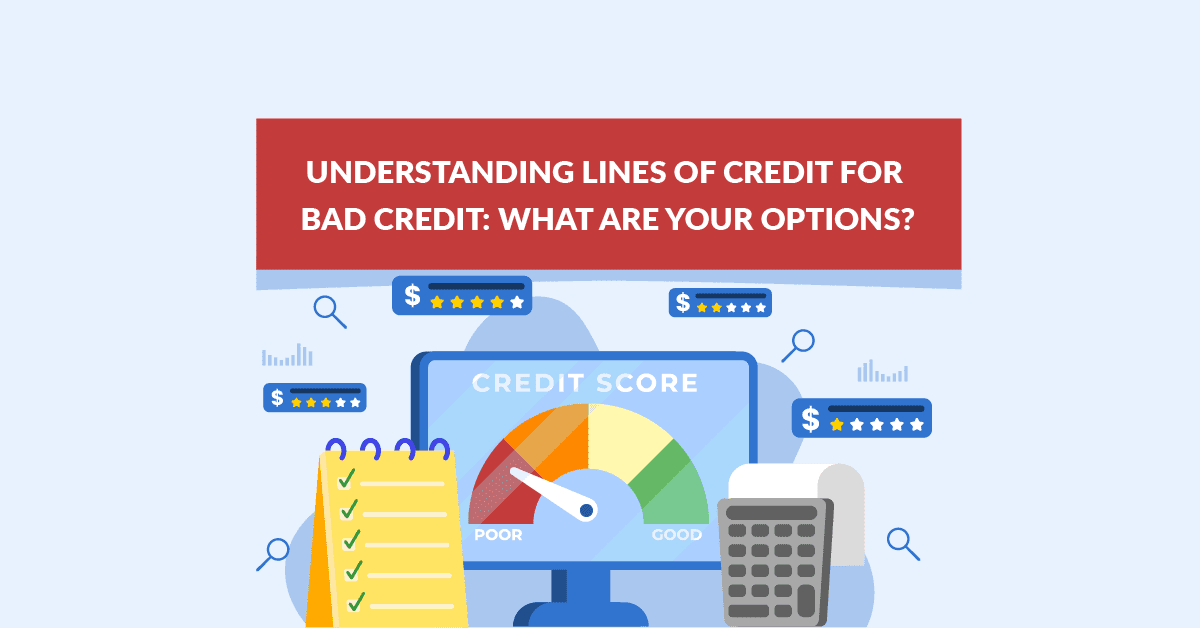
Bad credit is often seen as a red flag because it reflects your past financial behavior, including missed payments or high debt levels. Funders use credit as one indicator of reliability, and a poor credit history can limit your options.
Common challenges faced include:
- Higher Costs: Funders may adjust rates or fees to offset perceived risks associated with a lower credit score.
- Stricter Terms: Additional requirements, like collateral or personal guarantees, may be necessary to secure approval.
- Limited Access: Some funders may have minimum credit score thresholds, narrowing the pool of available options.
However, bad credit doesn’t have to be a roadblock. By understanding your options and taking proactive steps, you can still secure the funding your business needs.
Options for Business Owners with Bad Credit
Here’s a closer look at the possibilities for accessing a credit line, even with a low credit score:
- Secured Lines of Credit
Secured credit lines require collateral, such as business equipment, property, or accounts receivable, to back the credit line. By reducing the risk to the funder, secured options can make approval more likely.- Pros: Easier to qualify for; often comes with lower rates due to the reduced risk for the funder.
- Cons: If you default, the collateral could be forfeited, which might impact your business operations.
- Alternative Funders
Many alternative funders specialize in working with businesses that have bad credit. These funders prioritize other factors, such as your business revenue, rather than focusing solely on credit scores.- Pros: Flexible approval criteria and faster funding decisions.
- Cons: May involve higher costs, so it’s essential to review terms carefully.
- Revenue-Based Credit Lines
Revenue-based credit lines focus on your business’s performance, particularly its cash flow. Instead of relying on credit scores, funders assess your revenue to determine your eligibility.- Pros: Ideal for businesses with consistent monthly income, regardless of credit score.
- Cons: Requires detailed financial documentation to prove revenue reliability.
- Partner or Co-Signer Support
Bringing in a business partner or co-signer with strong credit can significantly improve your chances of approval. This individual shares responsibility for the line of credit, giving the funder added confidence in repayment.- Pros: Access to better terms, such as higher limits or lower costs.
- Cons: Shared liability can complicate personal or professional relationships.
- Business Credit Cards as an Alternative
For smaller needs, some businesses opt for credit cards instead of traditional credit lines. Many funders offer options tailored to businesses with poor credit, often requiring deposits (secured cards).- Pros: Easier to qualify for; useful for smaller, immediate expenses.
- Cons: Limited credit limits compared to traditional lines of credit.
Practical Tips to Improve Your Chances of Approval
Even with bad credit, there are steps you can take to strengthen your application and improve the terms offered by funders.
- Build Business Credit: Establishing a separate credit profile for your business can help you access better options in the long term. Make sure your business is officially registered, and use a business bank account for financial transactions.
- Provide Strong Financials: Funders are more likely to approve your application if you can show steady revenue, detailed cash flow reports, and well-managed accounts receivable.
- Offer Collateral: If possible, offering collateral upfront can significantly reduce the perceived risk for the funder.
- Pay Down Debt: High existing debt can harm your credit utilization ratio, which is a key factor funders consider. Paying off as much debt as possible can improve your chances.
- Be Transparent: Clearly communicate your financial situation and how you plan to use the credit line. Transparency can build trust with the funder.
How to Choose the Right Option for Your Business
Not all credit lines are created equal, and it’s important to evaluate your needs before making a decision. Consider the following:
- Purpose: Are you looking for a safety net or immediate funding for specific expenses?
- Collateral: Can you offer assets to secure the credit line?
- Repayment Terms: Are you comfortable with the repayment schedule and costs?
- Funder Reputation: Research funders to ensure you’re working with a trustworthy provider.
By carefully weighing these factors, you can select a solution that aligns with your financial goals.
Key Takeaways
- Bad credit doesn’t have to be a barrier to accessing a line of credit.
- Options like secured credit lines, revenue-based solutions, and alternative funders provide pathways for approval.
- Focus on improving financial habits, such as building business credit and reducing debt, to strengthen your eligibility over time.
- Always compare options and terms to find the best fit for your business’s unique needs.
By being proactive and informed, you can access the financial tools your business needs to thrive—even with bad credit.