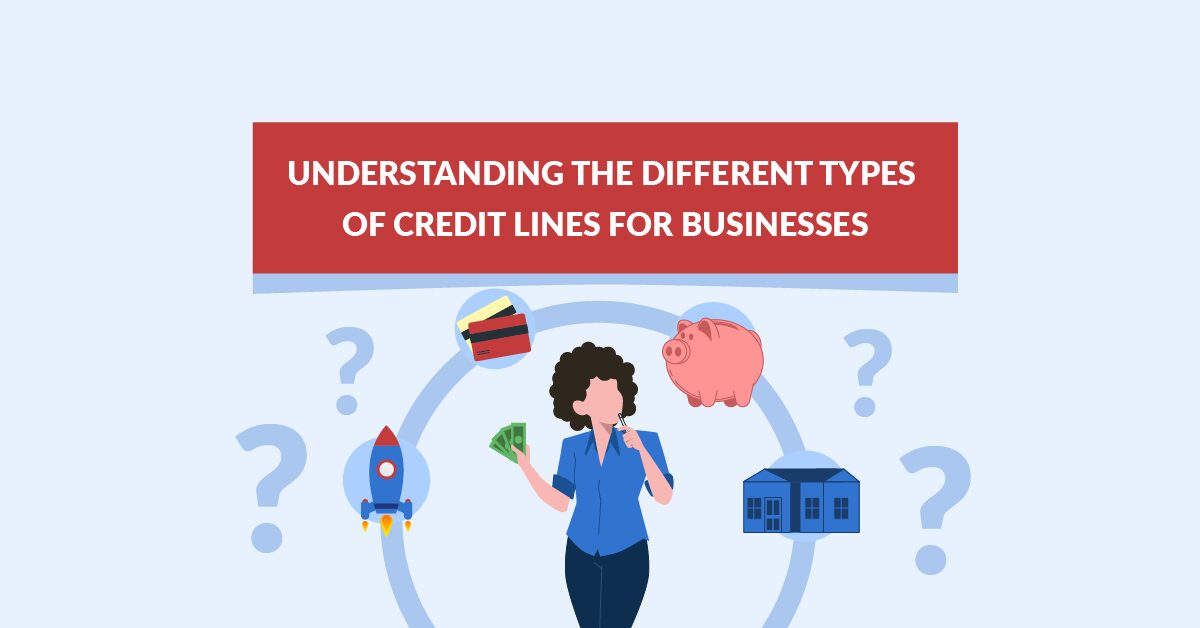
Access to credit is essential for businesses of all sizes, helping to manage cash flow, cover unexpected expenses, and support growth. Credit lines offer flexibility and convenience, allowing businesses to borrow money when needed and repay it over time. However, not all credit lines are created equal. Understanding the various types and their unique features is crucial for selecting the right one.
In this article, we’ll explore the different types of credit lines available to businesses, including business lines of credit, personal lines of credit, and distinctions between secured, unsecured, revolving, and non-revolving credit lines.
Business Lines of Credit
A business line of credit is specifically designed for companies, offering access to a predetermined amount of funds that can be drawn upon as needed. It’s an excellent choice for businesses looking to manage working capital, handle seasonal fluctuations, or cover unforeseen expenses.
Key Features:
- Flexible borrowing within a set limit.
- Only pay for the used amount.
- Often comes with variable rates.
Advantages:
- Improves cash flow management by providing quick access to funds.
- Funds can be reused after repayment, making it ideal for recurring needs.
Disadvantages:
- Approval may require a solid financial history and credit profile.
- Some providers may charge annual fees or require periodic renewals.
Personal Lines of Credit
Though typically intended for individuals, personal lines of credit can be a viable option for entrepreneurs, freelancers, or sole proprietors looking to fund business-related expenses.
Key Features:
- Not tied to business assets, making them easier to obtain for new ventures.
- Borrowing is based on personal creditworthiness.
Advantages:
- Simplified application process compared to business lines of credit.
- Often doesn’t require collateral, reducing initial risk.
Disadvantages:
- Lower borrowing limits may not meet the needs of larger businesses.
- If repayments are missed, it can negatively impact personal finances.
Secured vs. Unsecured Credit Lines
Secured Credit Lines:
These require collateral, such as property, equipment, or receivables, to secure the borrowed amount.
- Pros: Lower rates and higher borrowing limits due to reduced risk for the provider.
- Cons: The risk of losing the collateral if the business fails to repay the borrowed amount.
Unsecured Credit Lines:
These do not require collateral and rely solely on the creditworthiness of the borrower or the business.
- Pros: No assets are at risk, and the approval process can be faster.
- Cons: Higher rates and lower borrowing limits due to the increased risk for the provider.
Revolving vs. Non-Revolving Credit Lines
Revolving Credit Lines:
These allow businesses to borrow, repay, and reuse funds within the credit limit, making them ideal for ongoing financial needs.
- Pros: Continuous access to funds without reapplying. Suitable for fluctuating expenses like payroll or inventory.
- Cons: Rates may vary, and managing repayments requires diligence.
Non-Revolving Credit Lines:
These provide a one-time borrowing limit that cannot be reused once repaid. They are often used for large, one-time expenses, such as purchasing equipment or launching a new project.
- Pros: Predictable repayment terms and stability.
- Cons: Lack of flexibility to reuse funds once the balance is paid off.
Choosing the Right Credit Line for Your Business
The ideal credit line for your business depends on your financial needs, repayment capacity, and long-term goals. Consider the following when making your decision:
- For Short-Term Cash Flow Management: A business line of credit or revolving credit line provides flexibility and quick access to funds.
- For Large One-Time Expenses: A non-revolving credit line may be more suitable.
- If You Have Collateral to Offer: A secured credit line can provide better terms and higher borrowing limits.
- If You Lack Business Credit History: A personal line of credit can be a stepping stone for funding small business needs.
Final Thoughts
Credit lines are a versatile financial tool, offering businesses the ability to address immediate needs or plan for future growth. By understanding the differences between the types of credit lines, you can make an informed decision that aligns with your business’s financial situation and objectives. Carefully evaluate your needs, weigh the pros and cons of each option, and choose a solution that supports your business’s success.