Introduction to the SBA’s Economic Injury Disaster Loan (EIDL)
The Economic Injury Disaster Loan (EIDL) program, administered by the U.S. Small Business Administration (SBA), has been a lifeline for many businesses struggling to cope with the economic impact of the COVID-19 pandemic. This low-interest loan offers a crucial source of funding to help small businesses and non-profit organizations cover operating expenses, payroll, and other essential costs during times of crisis.
As a small business owner or non-profit leader, understanding the EIDL program’s eligibility requirements, including the credit score criteria, is essential to securing the financial support your organization needs. In this comprehensive article, we’ll dive deep into the SBA’s credit score requirements for EIDL, explore strategies to improve your chances of approval, and discuss alternative financing options for businesses with lower credit scores.
Understanding Credit Scores and Their Importance in the EIDL Application Process
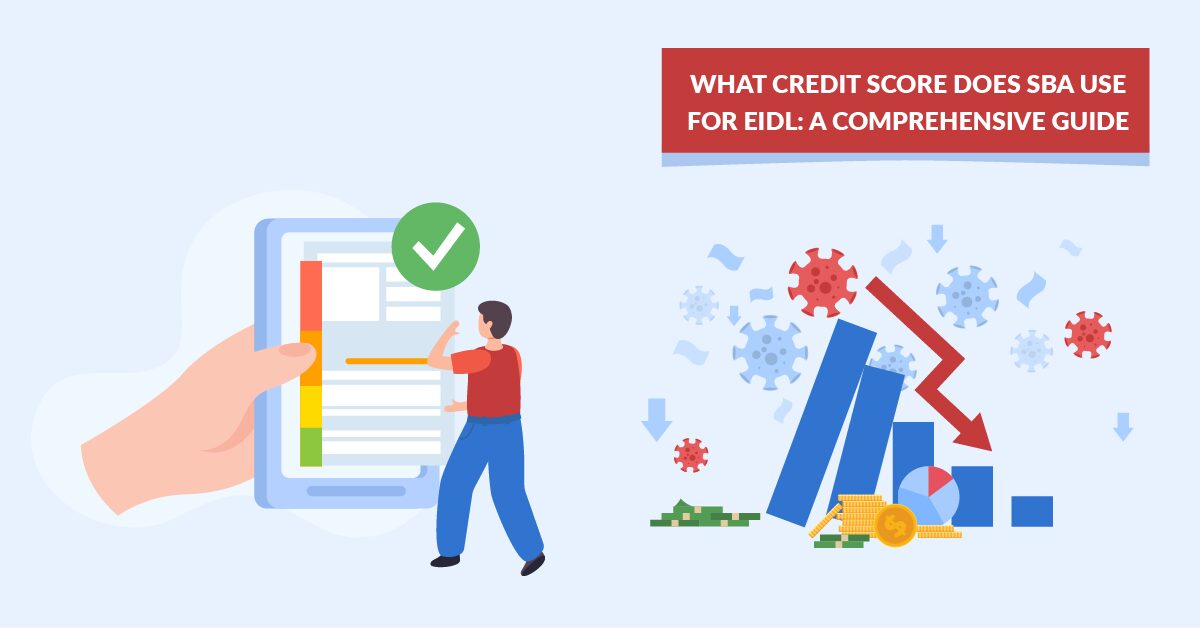
Your credit score is a numerical representation of your creditworthiness, calculated based on your credit history, payment patterns, and other financial factors. This three-digit number plays a crucial role in the EIDL application process, as the SBA uses it to assess the risk associated with your business and determine the terms of your loan.
A higher credit score generally indicates a lower risk of default, making you more attractive to funders. Conversely, a lower credit score may signal a higher risk, potentially resulting in less favorable loan terms or even outright rejection of your EIDL application.
The SBA’s Credit Score Requirements for EIDL
The SBA has established specific credit score requirements for EIDL applicants. To be eligible for the program, your business must have a minimum credit score of 570. This threshold applies to both the business owner and the business itself, as the SBA will evaluate the credit scores of both entities.
It’s important to note that the SBA may consider other factors, such as your business’s financial history, industry, and collateral, in addition to your credit score. However, meeting the minimum credit score requirement is a critical first step in the EIDL application process.
How to Check Your Credit Score and Assess Your Eligibility
To determine your EIDL eligibility, you’ll need to check your business and personal credit scores. You can obtain your business credit report from major credit reporting agencies, such as Dun & Bradstreet, Experian, or Equifax. For your personal credit score, you can access your report from AnnualCreditReport.com or through various credit monitoring services.
Once you have your credit scores, compare them to the SBA’s minimum requirement of 570. If your scores meet or exceed this threshold, you can proceed with your EIDL application with confidence. If your scores fall short, don’t despair – there are strategies you can employ to improve your credit and increase your chances of EIDL approval.
Improving Your Credit Score for a Better Chance of EIDL Approval
If your credit scores are below the SBA’s minimum requirement, there are several steps you can take to improve them:
- Review Your Credit Reports: Carefully examine your credit reports for any errors or inaccuracies and dispute them with the credit bureaus. Correcting these issues can help boost your scores.
- Pay Your Bills on Time: Payment history is the most significant factor in your credit score. Ensure that you make all your payments, including business and personal bills, on time.
- Reduce Your Debt: Work to pay down outstanding balances on your credit cards and other financing. Lowering your debt-to-credit ratio can have a positive impact on your scores.
- Establish a Strong Credit History: If you have a limited credit history, consider applying for a business credit card or taking out small financing to start building a more robust credit profile.
- Monitor Your Credit: Regularly check your credit reports and scores to stay informed about your financial standing. This will allow you to address any issues promptly and continue improving your creditworthiness.
By taking these steps, you can enhance your credit profile and increase your chances of EIDL approval, even if your initial scores fall short of the SBA’s requirements.
Alternative Financing Options for Businesses with Low Credit Scores
If your credit scores do not meet the SBA’s EIDL requirements, or if you need additional funding beyond what the EIDL program can provide, there are alternative financing options to consider:
- Business Loans: Explore traditional bank loans, Small Business Administration (SBA) loans, or alternative funders that may have more flexible credit score requirements.
- Business Lines of Credit: A business line of credit can provide you with access to funds when you need them, without the strict credit score requirements of a traditional loan.
- Crowdfunding: Platforms like Kickstarter or Indiegogo allow you to raise funds from a community of supporters, often without relying heavily on your credit score.
- Grants: Research and apply for government grants or private foundation grants that may be available for your industry or business type, regardless of your credit score.
- Equity Financing: Consider bringing on investors or partners who can provide capital in exchange for an ownership stake in your business.
By exploring these alternative financing options, you can secure the funding your business needs, even if your credit scores fall short of the EIDL program’s requirements.
Tips for a Successful EIDL Application
Regardless of your credit score, following these tips can help ensure a successful EIDL application:
- Gather All Required Documentation: Ensure that you have all the necessary financial statements, tax returns, and other documents ready before submitting your application.
- Provide Accurate and Detailed Information: Double-check your application to ensure that all the information you provide is accurate and comprehensive.
- Respond Promptly to Requests for Additional Information: If the SBA requests additional documentation or clarification, be sure to provide it in a timely manner.
- Communicate Effectively with the SBA: If you have any questions or concerns during the application process, don’t hesitate to reach out to the SBA for guidance.
- Be Persistent: The EIDL application process can be lengthy, so be prepared to follow up and stay persistent in your pursuit of funding.
Common Misconceptions about Credit Scores and EIDL Eligibility
There are several common misconceptions about credit scores and EIDL eligibility that are important to address:
- “My Personal Credit Score Doesn’t Matter”: The SBA evaluates both the business and the business owner’s credit scores, so your personal credit profile is just as important as your business’s.
- “I Can’t Apply for EIDL if My Credit Score is Low”: While a minimum credit score of 570 is required, there are strategies you can employ to improve your scores and increase your chances of approval.
- “EIDL is the Only Financing Option Available”: As discussed, there are alternative financing options available for businesses with low credit scores, so don’t let your credit profile deter you from exploring other funding sources.
- “My Industry or Business Type Disqualifies Me from EIDL”: The EIDL program is open to a wide range of small businesses and non-profit organizations, so it’s worth exploring your eligibility, regardless of your industry or business type.
Conclusion: Why Credit Scores Should Not Deter Businesses from Applying for EIDL
In conclusion, while the SBA’s credit score requirements for EIDL are an important consideration, they should not deter businesses and non-profit organizations from applying for this vital source of funding. By understanding the credit score criteria, taking proactive steps to improve your scores, and exploring alternative financing options, you can increase your chances of securing the EIDL to support your organization’s needs and navigate challenging times.