Managing cash flow and securing funds for business growth are essential aspects of running a successful organization. When evaluating financial tools to meet these needs, the choice often comes down to a line of credit versus a term loan. While both have their advantages, a line of credit stands out as a more flexible and dynamic solution for businesses with unpredictable or short-term financial requirements.
Flexibility to Match Your Needs
A line of credit offers unparalleled flexibility, allowing businesses to access funds as needed rather than committing to a lump sum. This is particularly advantageous for companies dealing with fluctuating expenses, such as seasonal inventory purchases, unexpected repairs, or project-based costs.
Unlike a term loan, which provides a fixed amount of funds to be used for a specific purpose, a line of credit functions more like a safety net. Businesses can draw on it when required and only use what is necessary. This structure ensures you are not constrained by a fixed amount or paying for resources that may not be immediately required.
Cost-Effectiveness
Another benefit of a line of credit is its cost-efficiency. Since payments and fees are generally based on the amount utilized rather than the entire limit, businesses can manage costs more effectively. This is ideal for organizations that want to maintain financial agility and avoid overcommitting resources.
For instance, if your business needs quick access to funds for a marketing campaign or to bridge a gap in revenue, a line of credit allows you to address those needs without locking in long-term obligations. Once the campaign pays off or the revenue gap is closed, the credit can be replenished and ready for the next opportunity.
Adaptability for Short-Term and Unpredictable Needs
Short-term and unpredictable financial needs often make a line of credit the preferred choice. Whether it’s a sudden spike in demand, an unforeseen opportunity, or managing irregular cash flows, the ability to access and repay funds as circumstances evolve provides a level of control that a term loan simply cannot match.
For example, if a retail business experiences an unexpected surge in customer demand during the holiday season, a line of credit can ensure there’s adequate stock to capitalize on the opportunity. Similarly, a service-based business might use it to manage payroll during a slow month, knowing it can be replenished when client payments come through.
Avoiding Overextension
While term loans often come with fixed repayment schedules and rates on the full amount, a line of credit allows businesses to stay financially nimble. This means you can address financial gaps without committing to large monthly payments or long-term financial burdens, reducing the risk of overextension.
A Strategic Tool for Growth
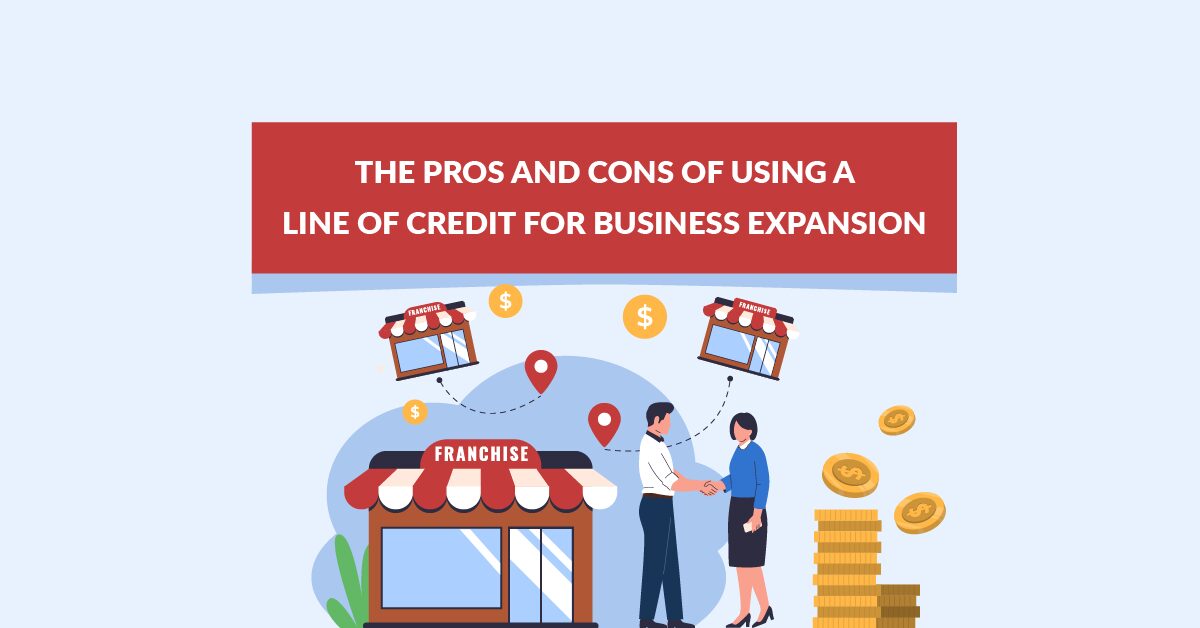
A line of credit isn’t just about covering gaps; it’s a strategic tool for growth. It empowers businesses to take calculated risks, seize time-sensitive opportunities, and navigate challenges without disrupting long-term plans. This flexibility makes it a vital resource for entrepreneurs who value adaptability and want to maintain control over their financial trajectory.
Conclusion
While both a line of credit and a term loan have their merits, the flexibility, adaptability, and cost-efficiency of a line of credit make it an attractive option for businesses facing short-term or unpredictable financial needs. By aligning funding with actual requirements and maintaining the ability to adjust to changing circumstances, a line of credit can be a powerful tool to ensure your business stays competitive, resilient, and ready for growth.
Before making a decision, consider your business’s financial patterns and goals. A line of credit may be the solution you need to thrive in today’s dynamic market environment.